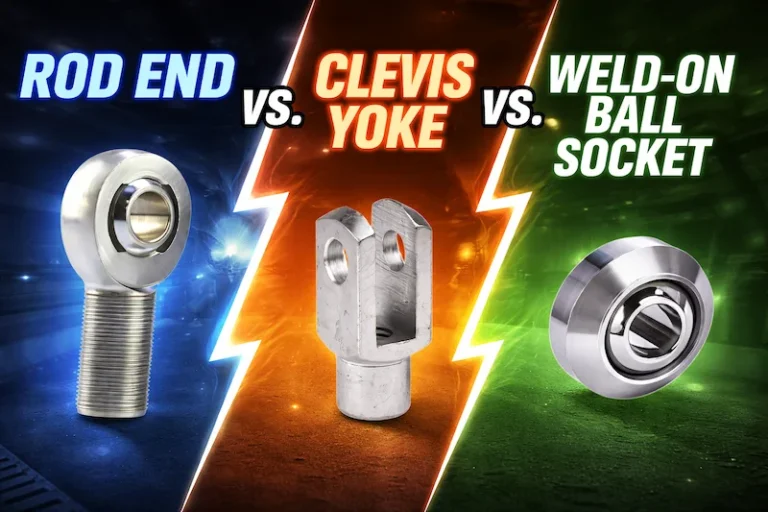
When designing mechanical linkage systems for racing suspensions, hydraulic transmissions, or even heavy-duty agricultural machinery, selecting the right type of End Fitting is essential. It plays a crucial role in determining both the lifespan and safety of the system.
As engineers, we often find ourselves facing an early design decision: Should we opt for a flexible rod end, a robust clevis yoke, or a structurally integrated weld-on ball socket? Having worked across various industries, I can tell you that the answer depends on multiple factors, including the type of load, motion requirements, and environmental conditions. This article dives deep into a detailed comparative analysis based on five key technical aspects: structure, kinematics, connection methods, load analysis, and application scenarios.
1. Rod End (Heim Joint)
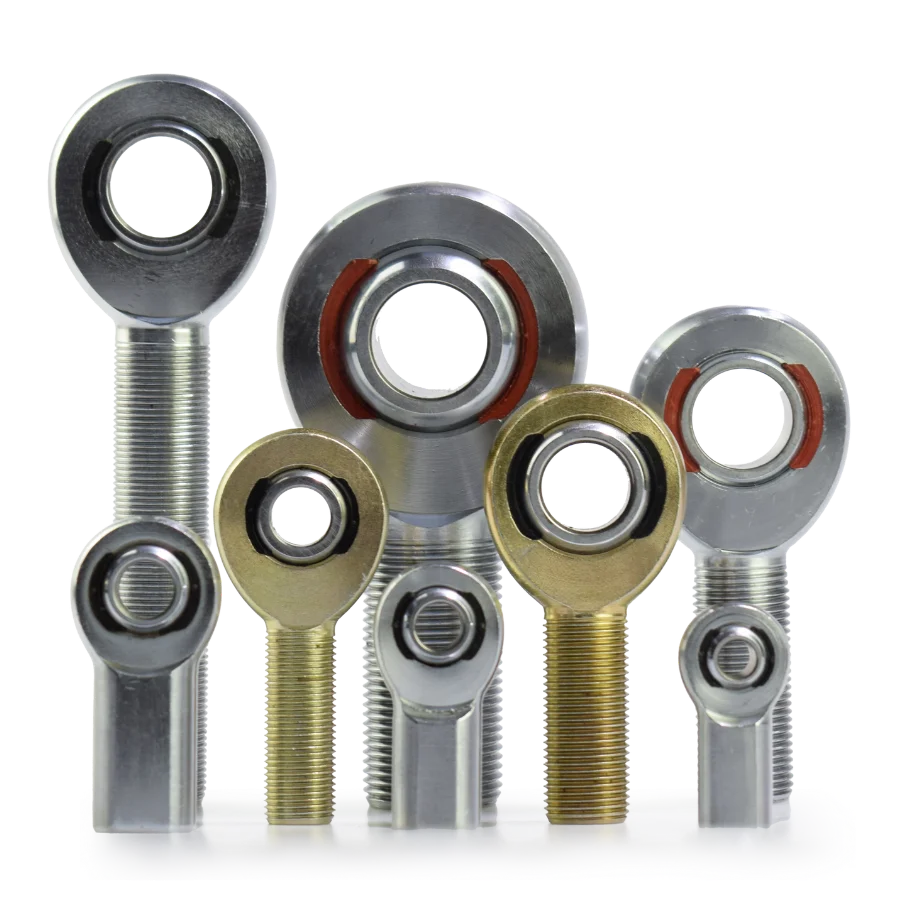
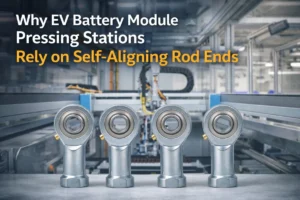
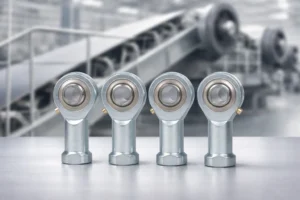
A rod end, often referred to as a Heim joint or rose joint, is a component designed to transmit motion through a precision-ground ball rotating within a race. It’s the go-to solution for handling multi-axial motion, making it indispensable in systems that require angular flexibility.
Structure: A rod end consists of a housing, typically with a threaded male or female shank, a precision-machined ball, and a liner (often made of PTFE or copper alloy).
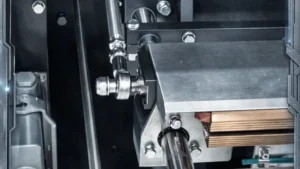
Motion: The key benefit of a rod end is its multi-axial degrees of freedom. Not only does it allow for rotation around the axis, but it also adapts to angular misalignments, making it perfect when linkage and mounting points don’t align on the same plane.
Connection: A threaded connection screws directly into a radius rod or control arm, offering adjustability, which is ideal for precise suspension geometry tuning.
Load Analysis:
- Radial Load: The rod end performs well under radial loads, as this is its primary load-bearing direction.
- Axial Load: The rod end is less efficient in handling axial loads. The axial load rating is typically only 10%-15% of the radial load rating, and excessive side thrust can result in “pull-out” failure.
- Stress Concentration: The root of the threads is a common point of fatigue fractures, which should be considered when selecting thread strength.
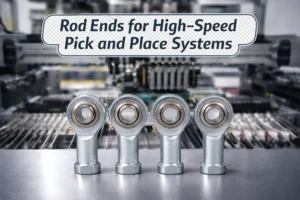
Applications: Racing suspension control arms (4-link), tie rods, sway bar links, and industrial automation linkages.
2. Clevis Yoke (U-Joint / Fork)
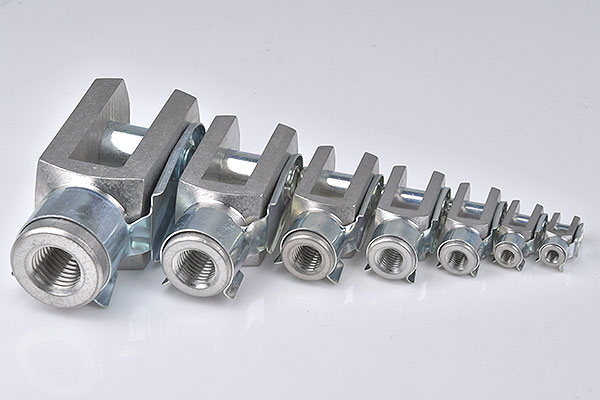
The clevis yoke is a time-tested mechanical connection that’s well-known for its simplicity, robustness, and high rigidity. While it’s not as flexible as a rod end, its strength and ease of use make it an excellent option for certain applications.
Structure: The clevis yoke features a U-shaped metal body with two coaxial holes, through which a clevis pin passes to secure the connection.
Motion: Unlike the rod end, the clevis yoke allows for single-axis rotation, restricting its movement to a single plane. Forcing it into misalignment will lead to deformation of the fork or binding of the pin.
Connection: The clevis yoke typically connects to a pushrod via a threaded tail, though it can also be welded directly onto components for added durability.
Load Analysis:
- Double Shear: The clevis yoke’s pin is supported at both ends, providing exceptional shear strength.
- Linear Force: The clevis is ideal for handling massive linear push or pull forces.
- Side Load Sensitivity: It’s highly sensitive to misalignment; side loads can generate significant bending moments, compromising the structure.
Applications: Common in air/hydraulic cylinder rod ends, brake pedal mechanisms, simple levers, and linear motion mechanisms that don’t require angular compensation.
3. Weld-on Ball Socket
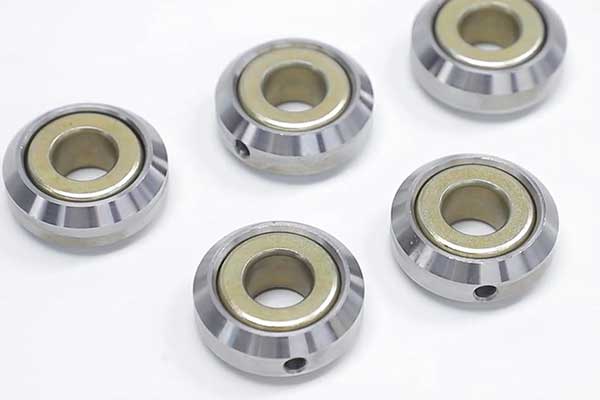
The weld-on ball socket is essentially a heavy-duty rod end, but without the threaded shank. Designed for extreme structural strength, it’s often used where robust and permanent connections are necessary.
Structure: It consists of a machined circular housing containing a ball, with a flat or curved bottom designed to mate with round tubing. The absence of a threaded shank eliminates the potential for thread-related issues.
Motion: Similar to a rod end, the weld-on ball socket offers multi-axial degrees of freedom and can accommodate misalignment, allowing for flexible motion.
Connection: The weld-on ball socket is welded directly to the end of a linkage tube or hydraulic cylinder barrel, providing a permanent, non-adjustable connection.
Load Analysis:
- Maximum Structural Integrity: Without threads, the weld-on ball socket removes the risk of thread loosening or stripping.
- Shock Resistance: The weld and deeper ball wrap design allow it to withstand more significant shock loads and vibrations compared to threaded rod ends.
- Heat-Affected Zone: The welding process introduces heat that can affect internal components, so careful welding techniques must be used to ensure the integrity of the ball and liner. Tip: To minimize the risk of weakening internal components, use stitch welding or back-purge welding techniques, ensuring that the heat is controlled and localized during the process.
Applications: Common in agricultural tractor 3-point hitches (top links, lift arms), heavy-duty hydraulic cylinder bases, mining machinery linkages, and custom high-strength off-road suspension systems.
4. Summary Comparison Table
To streamline the selection process, we’ve compiled a comparison of the three components across various technical dimensions:
| Dimension | Rod End (Heim Joint) | Clevis Yoke | Weld-on Ball Socket |
|---|---|---|---|
| Degrees of Freedom | High (multi-axis rotation + misalignment) | Low (single plane rotation only) | High (multi-axis rotation + misalignment) |
| Adjustability | Yes (length adjustable via threads) | Yes (if threaded tail) | No (permanent welded fixture) |
| Mechanical Advantage | Adapts to angular changes, strong radial load | Double shear for high shear strength | No thread stress, max structural integrity |
| Mechanical Weakness | Weak axial thrust, thread root fatigue | Side load sensitivity, misalignment issues | Heat-affected zone may affect internal components |
| Typical Applications | Racing suspension, precision linkages | Cylinder push rods, brake mechanisms | Agricultural linkages, hydraulic cylinders |
Recommendations
- Choose a Rod End if your system needs adjustability, multi-axial motion, and requires precise tuning (e.g., off-road shock absorbers).
- Choose a Clevis Yoke if your system primarily performs linear motion and you want to maximize shear strength (e.g., cylinder push/pull systems).
- Choose a Weld-on Ball Socket if you’re working on heavy machinery that demands structural strength and durability, without the need for adjustability at the terminal end (e.g., agricultural machinery, heavy-duty hydraulic systems).
By understanding the unique characteristics of these components, you can ensure you select the right fitting for your specific application, optimizing performance and longevity.