Executive Summary
Global industrial supply chains are entering a period of acute stress as record-high diesel prices collide with severe port congestion in Asia and the Panama Canal. Simultaneously, the rare earths sector is undergoing a strategic realignment, marked by new US recycling investments, Chinese export hesitancy, and Brazilian regulatory shifts. This week's briefing examines the forces driving these changes and their implications for manufacturers, distributors, and equipment buyers navigating rising costs and extended lead times.
Diesel at Record Highs: A Cost Shock Across the Supply Chain

The price of diesel fuel has surged to an unprecedented level, creating a new baseline for logistics and operational costs across the industrial economy. According to The Wall Street Journal, US retail diesel prices hit a fresh record high as global supply tightens, a situation exacerbated by prolonged disruptions in the Middle East and ongoing attacks on Russian refineries. NPR notes that this is a direct result of geopolitical conflict, and the effects are being felt far beyond the fuel pump, permeating every layer of the supply chain from freight hauling to construction and agriculture.
For component buyers and manufacturers, this is not a transient spike but a fundamental shift in the cost of moving goods. The increase in fuel prices directly translates to higher surcharges from carriers and logistics providers, inflating the landed cost of raw materials and finished components. This dynamic is particularly challenging for industries that rely on just-in-time delivery models, where the cost of frequent, smaller shipments becomes prohibitive. The pressure is now on to optimize logistics networks, consolidate shipments, and reassess inventory holding strategies to mitigate the impact of these elevated fuel costs.
Global Port Congestion Threatens Schedule Reliability and Freight Rates
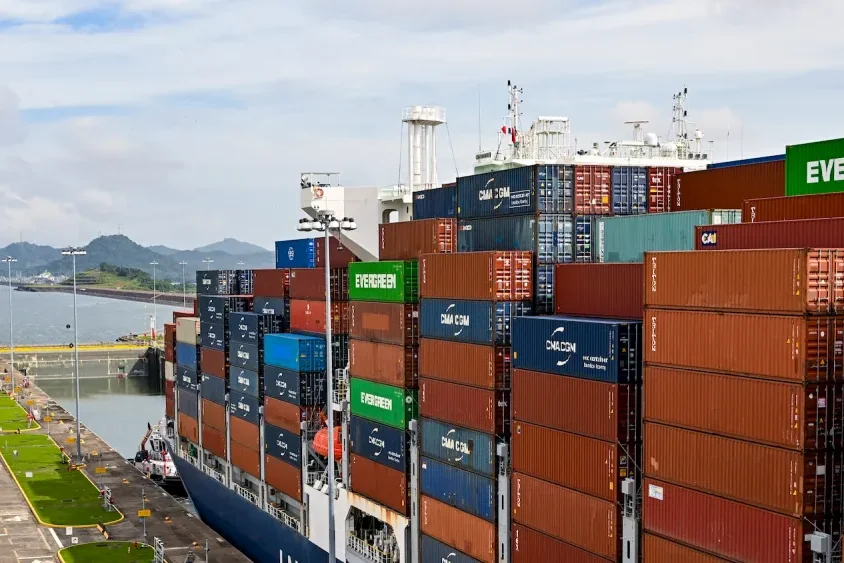
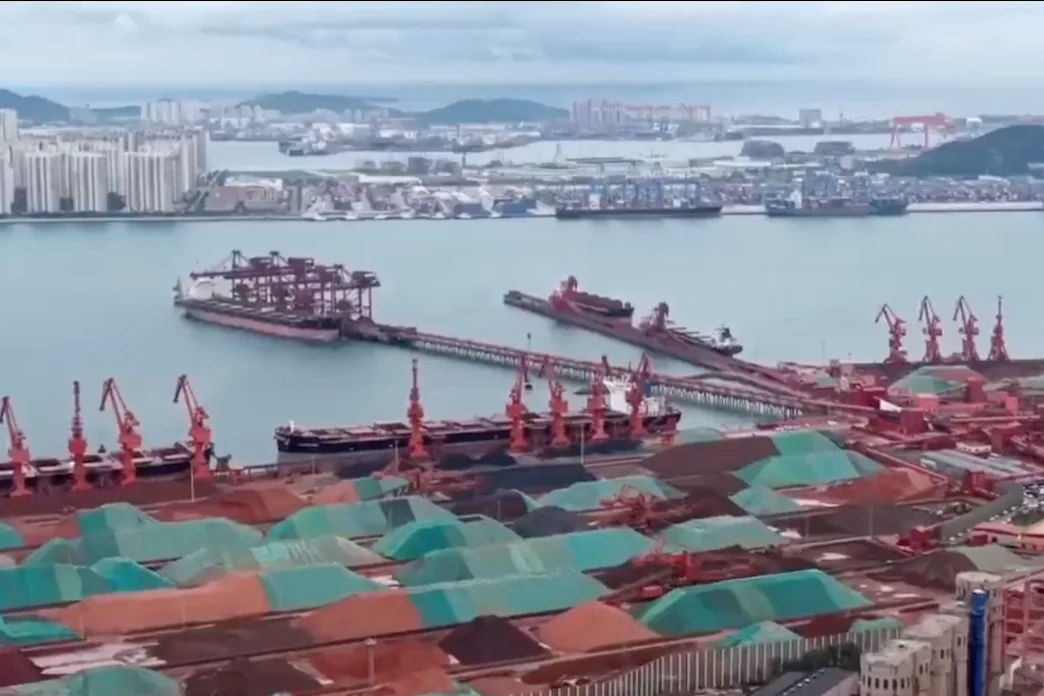
Simultaneous disruptions in Asia and the Americas are creating a perfect storm for ocean freight. Container News reports that typhoons in East Asia have deepened port congestion and shipping delays, while Kuehne+Nagel notes that congestion in China is forcing carriers to alter schedules as vessel delays mount. This has led to a sharp decline in schedule reliability, with WWD reporting a fall to 56.4% in July, the steepest single-month deterioration since January 2021. The situation is compounded by restrictions at the Panama Canal, which Al Jazeera reports are limiting vessel transits and threatening to increase freight costs further.
The impact on freight rates is already visible. FreightWaves reports that trans-Pacific spot rates have reached new highs on resilient demand and port congestion, while ICIS notes that Asia-US container rates are rising. However, the picture is mixed, with gCaptain observing that global rates held steady as transpacific gains offset declines on Asia-Europe routes. For importers and exporters, this volatility makes planning exceptionally difficult. The strategic response for many is to seek alternative routing options, with some carriers reportedly returning to the Suez Canal route despite previous security concerns, as noted by freshplaza. This fragmentation of global shipping routes signals a prolonged period of uncertainty and higher costs for moving goods internationally.
Rare Earths Realignment: US Recycling, Chinese Hesitancy, and Brazilian Regulation

This week has seen significant developments in the global rare earths market, underscoring the strategic importance of these materials for everything from electric motors to defense systems. A key story is the planned $100 million magnet recycling plant in Missouri, a joint venture between US Strategic Metals and Ionic Rare Earths. As reported by PR Newswire and Interesting Engineering, this facility aims to be the first of its kind in the US, creating a domestic source of recycled rare earth magnets and reducing reliance on primary supply chains.
This investment comes against a backdrop of supply-side anxiety. Yahoo Entertainment reports that some Chinese rare earth suppliers are declining to ship to the US for fear of repercussions from Beijing, a move that could tighten global supply and increase prices for Western buyers. Concurrently, Brazil’s Senate has passed a new regulatory framework for critical minerals. While Bloomberg Tax News highlights that the US is eyeing a Brazilian rare earths mine to close the gap with China, OilPrice cautions that the new law, which gives the government control over mining deals, could complicate foreign investment even as it seeks to boost exploration. For manufacturers, this means a continued need to secure diverse sources of rare earth elements and magnet supply, as the market remains subject to geopolitical whims and policy shifts.
Used Equipment Market Feels the Pinch of Economic Uncertainty
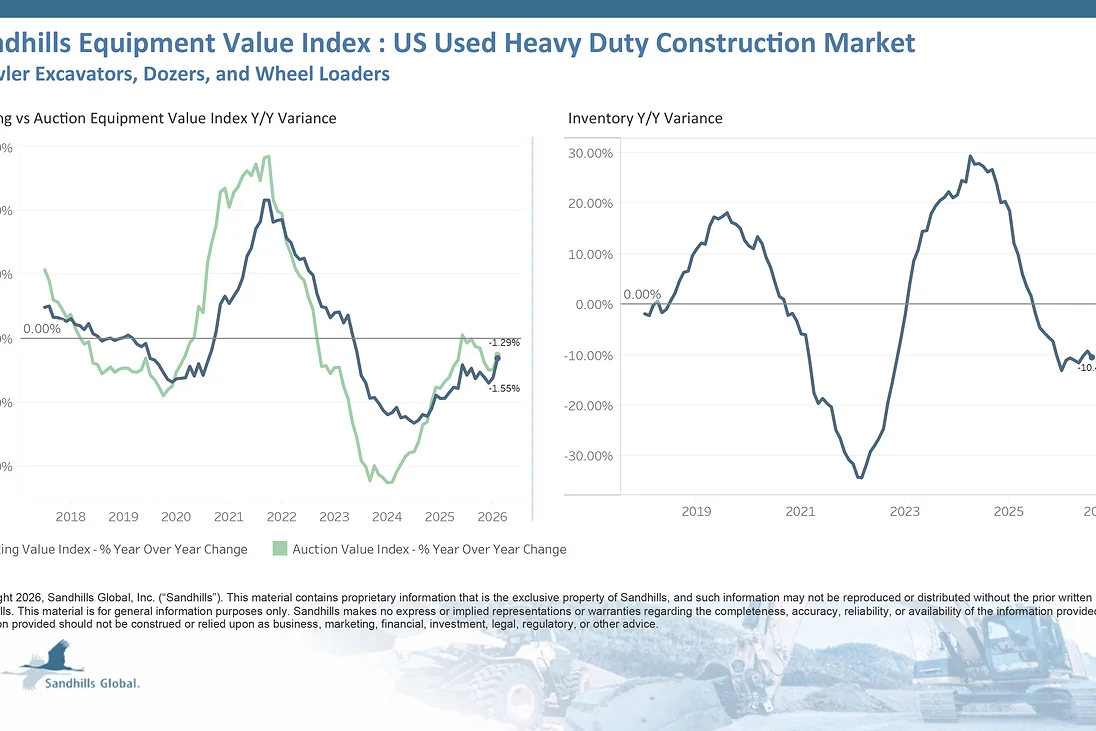
The market for used heavy equipment is showing signs of strain as economic uncertainty extends sales cycles. According to a new report from Sandhills Global, covered by PRNewswire, inventory levels for used heavy-duty construction equipment are decreasing, yet buyers are taking longer to make purchasing decisions. This is particularly evident for categories like crawler dozers and wheel loaders, where high interest rates and a cautious outlook on construction starts are prompting potential buyers to delay capital expenditures.
This trend has significant implications for the broader equipment ecosystem. For rental companies, a slowdown in used equipment sales could mean a longer hold on aging fleets, potentially increasing maintenance costs. For OEMs, it signals a softening in replacement demand. The data from Titan Machinery’s Q2 earnings call, reported by MarketBeat, reinforces this narrative, with the company citing continued weakness in agricultural equipment demand. For distributors and component suppliers, this points to a market where the aftermarket for parts and service may become an even more critical revenue stream as fleet owners opt to repair rather than replace machinery.
Reshoring Momentum Continues Despite Tariff and Cost Hurdles
Despite the uncertain trade policy environment, the momentum behind reshoring manufacturing to the US shows no signs of abating. Manufacturing Dive reports that more OEMs are planning reshoring investments, even in the face of tariff and cost uncertainties. This is exemplified by GE Appliance Park’s announcement of a $1 billion expansion in Louisville, Kentucky, as reported by Credaily, which will expand laundry production and bolster the company’s reshoring capacity. This investment is a clear signal that long-term supply chain resilience is outweighing short-term cost concerns for many large manufacturers.
The trend is also creating opportunities for smaller firms. Protolabs’ CEO, in an interview with Yahoo Finance, highlighted the significant impact reshoring is having on their business, as companies seek rapid prototyping and low-volume production partners closer to home. This shift is not just about avoiding tariffs; it is about reducing lead times, improving quality control, and mitigating the risks of distant supply chains. For the industrial parts ecosystem, this means a growing demand for domestic suppliers and a potential reconfiguration of the supplier base, with a premium placed on agility and proximity.
Industrial AI and Automation: From Pilot to Production

The conversation around industrial AI is maturing, moving from theoretical potential to practical implementation, albeit with growing pains. TechRadar’s analysis suggests that industrial AI is adopting faster than it is working, with the gap between access to the technology and the ability to use it consistently becoming the primary constraint. This is a crucial insight for engineers and plant managers who are navigating the hype cycle and looking for tangible productivity gains. The focus is shifting towards solving specific, high-value problems rather than implementing broad, ill-defined AI strategies.
In a significant development for process automation, ASRock’s IIoT controller has earned the first O-PAS certification, as reported by controlglobal. This open standard is a step towards more interoperable and flexible automation systems, potentially reducing vendor lock-in and enabling more modular plant designs. Meanwhile, the collaboration between Caterpillar and FieldAI, covered by the Canadian Mining Journal, highlights the push towards automating heavy equipment operations in sectors like mining. For the broader industry, these developments signal a move towards more autonomous and data-driven operations, which will require new skill sets and a re-evaluation of traditional maintenance and operational roles.
Trade Policy Crosscurrents: USMCA Tensions and Tariff Reviews

Trade policy remains a volatile factor for global supply chains, with the renegotiation of the USMCA (US-Mexico-Canada Agreement) creating significant uncertainty. Brownfield Ag News reports that US-Canada trade tensions are complicating the talks, while the Montana Farm Bureau has expressed concern over a breakdown in negotiations and the threat of imminent retaliatory tariffs. These frictions are not limited to agriculture; they have the potential to disrupt cross-border manufacturing supply chains that have become deeply integrated under the current agreement.
In a separate but related development, the US Department of Commerce has revoked antidumping and countervailing duty orders on certain walk-behind lawn mowers and parts from China and Vietnam, as announced in the Federal Register. This decision, made due to a lack of domestic industry response, could lower costs for importers of these goods but may also signal a shift in enforcement priorities. For component buyers, these policy swings create an unpredictable cost environment, making it difficult to forecast input prices and plan sourcing strategies. The ongoing Section 301 tariff reviews, as discussed in an interview on BM.GE, are expected to create further uncertainty across global supply chains, compelling companies to build more flexibility and redundancy into their sourcing networks.
Sources & References
- The Wall Street Journal – U.S. Retail Diesel Prices Hit Record High as Global Supply Tightens
- NPR – The price of diesel hits a record high
- Container News – East Asia typhoons deepen port congestion and shipping delays
- Kuehne+Nagel – China port congestion forces carrier schedule changes as vessel delays mount
- WWD – Ocean Carriers Reroute as Panama Canal, Asian Port Congestion Crater Schedule Reliability
- FreightWaves – Trans-Pacific spot rates reach new highs on resilient demand, port congestion
- PR Newswire – US Strategic Metals and Ionic Rare Earths to Build First U.S. Magnet Recycling Plant in Missouri
- Yahoo Entertainment – China rare earth firms halt some US shipments over geopolitical worries, sources say
- Bloomberg Tax News – US Eyes Brazil Rare-Earths Mine in Race With China: Supply Lines
- PRNewswire – Economic Uncertainty Extending Sales Cycles in Used Heavy Equipment Market
- MarketBeat – Titan Machinery Q2 Earnings Call Highlights
- Manufacturing Dive – More OEMs plan reshoring investments despite tariff, cost uncertainty
- Credaily – GE Appliance Park Gets $1B Louisville Expansion Plan
- TechRadar – Why industrial AI is adopting faster than it’s working
- controlglobal.com – ASRock’s IIoT controller earns first O-PAS certification
- Brownfield Ag News – U.S.-Canada trade tensions complicate USMCA talks
- Federal Register – Certain Walk-Behind Lawn Mowers and Parts Thereof From the People's Republic of China and the Socialist Republic of Vietnam: Final Results of Sunset Review and Revocation of Orders