Machine first, finish second
Rod ends, adjusters and clevises are machined to the required geometry before anodizing. The drawing review covers the surfaces to mask, the finished fit and the appearance expected after colour and sealing.
Anodizing is the aluminium-specific finishing route in our catalogue. It grows a controlled oxide layer on the surface of an aluminium part, allowing colour, appearance and selected surface-performance requirements to be specified without changing the underlying 7075-T6 or other aluminium substrate. The process is arranged through external finishing partners per order.
Anodizing is an electrochemical process that grows a controlled aluminium-oxide layer from the surface of an aluminium part. The oxide is porous before sealing, so the process can also introduce dye for colour before the surface is sealed.
Unlike plating, anodizing does not deposit a separate metal layer onto steel or chromoly. It is an aluminium finishing route, which is why alloy selection, machining marks, edge geometry and the desired colour all matter before the part leaves machining.
“Plain” in a product specification is a finish option, not a colour claim. Red, black, purple, blue, green and pink are listed colour options on documented aluminium rod end lines; the actual colour, finish type and acceptance standard are confirmed for the order.
| Question | Anodizing | Plating |
|---|---|---|
| Substrate | Aluminium and its alloys | Often steel or another conductive substrate, depending on the finish |
| How the layer forms | Controlled oxide grows from the aluminium surface | A separate metal layer is deposited onto the substrate |
| Primary reasons to choose it | Colour, appearance and selected surface-performance requirements | Corrosion protection, wear or low-friction working surface |
| Dimensional question | Layer growth and sealing must be considered at fits and edges | Plating thickness and masking must be considered at threads and bores |
Rod ends, adjusters and clevises are machined to the required geometry before anodizing. The drawing review covers the surfaces to mask, the finished fit and the appearance expected after colour and sealing.
The product catalogue documents colour options, but a production order still needs the finish type, substrate, critical interfaces and acceptance standard. Consistent appearance across a batch is considered alongside the functional fit.
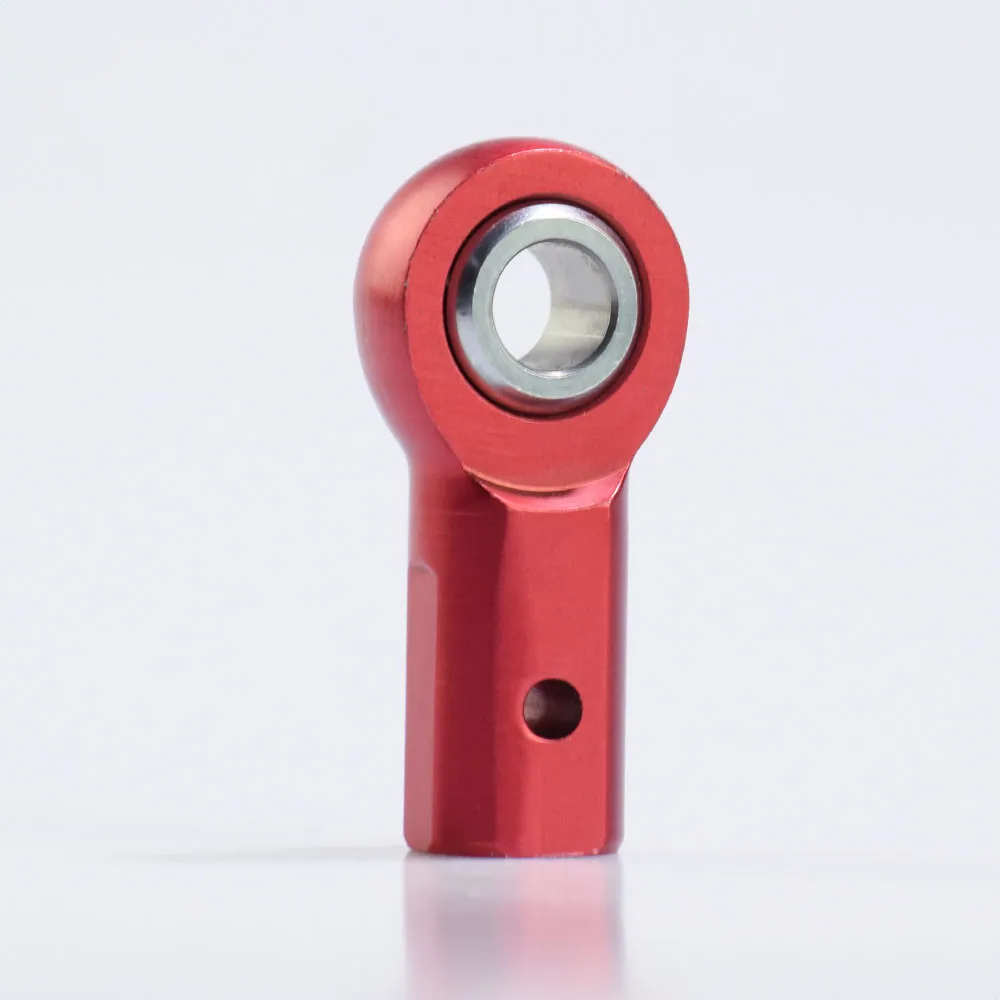
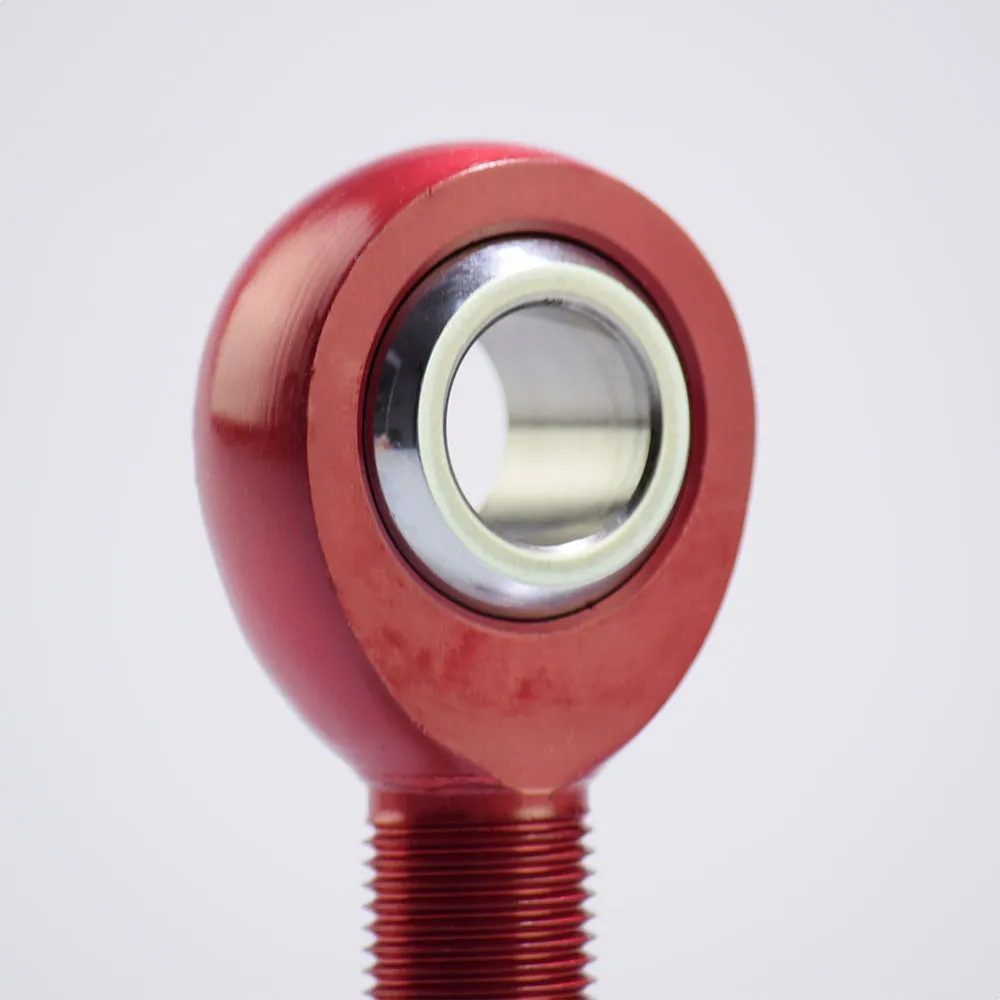
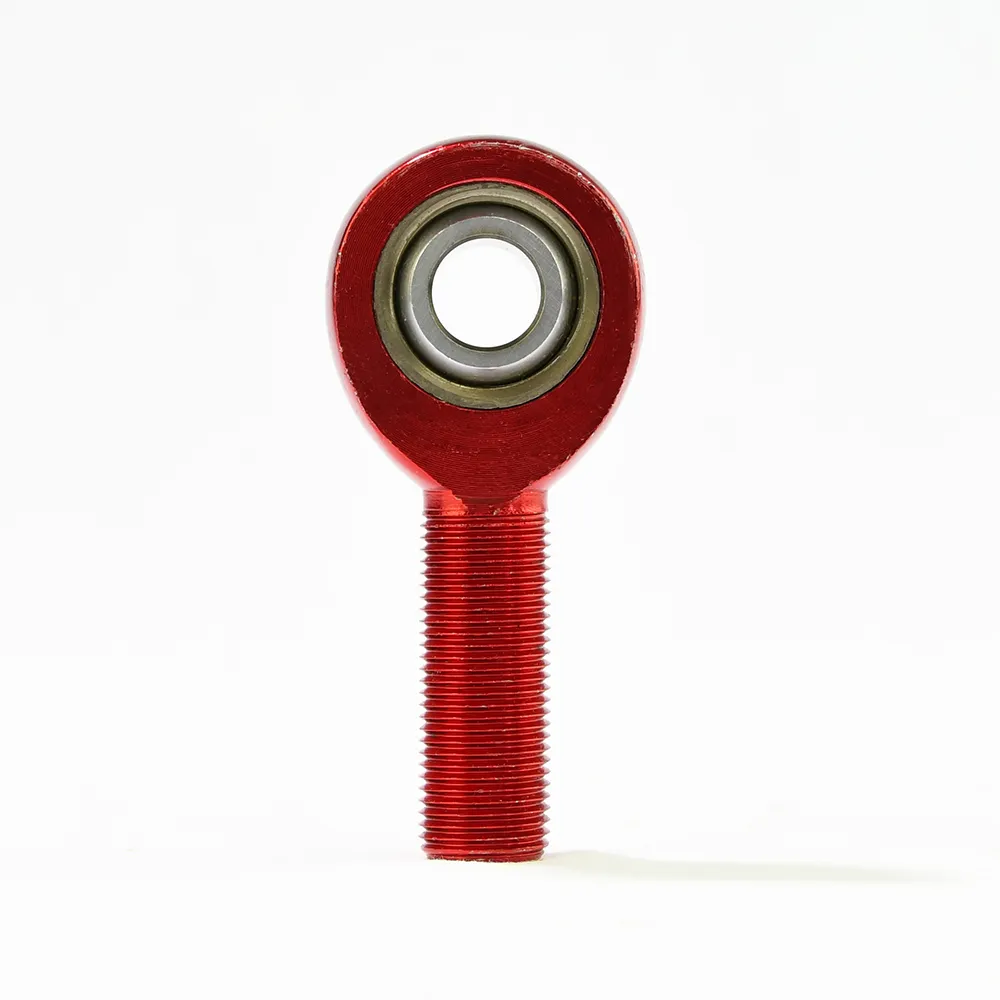
Red, black and other listed colours distinguish aluminium rod end families while keeping the underlying 7075-T6 body visible as the chosen substrate.
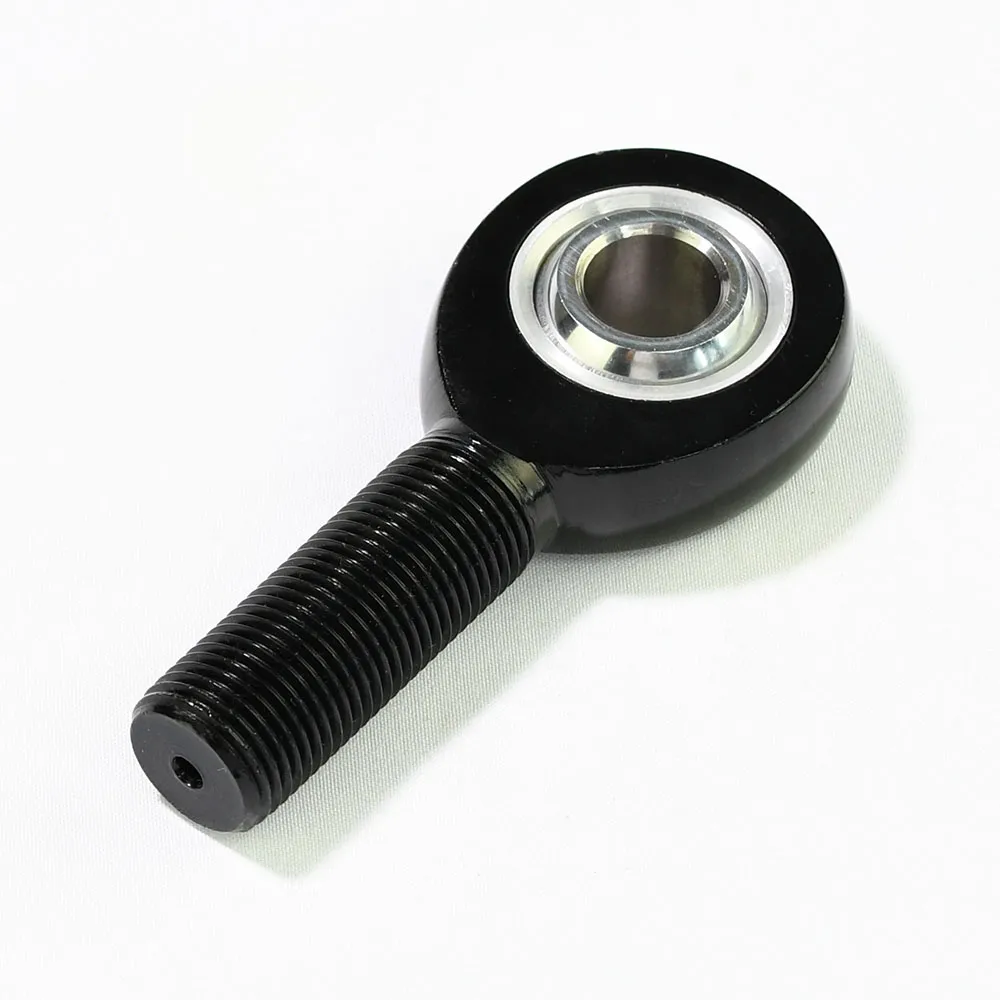
Anodized aluminium linkage adjusters and male or female rod ends support lightweight assemblies where steel is not required.
Rear brake clevises and similar machined aluminium parts can use anodizing, polishing or other documented finish options.
Colour selection is paired with masking and dimensional review so the finish does not compromise threads, bores or contact faces.

The product specification states 7075-T6 aircraft aluminium, colour anodizing and Red, Black, Plain, Purple, Blue, Green and Pink options.

A larger-format anodized 7075-T6 aluminium line for maximum-duty industrial machinery applications.

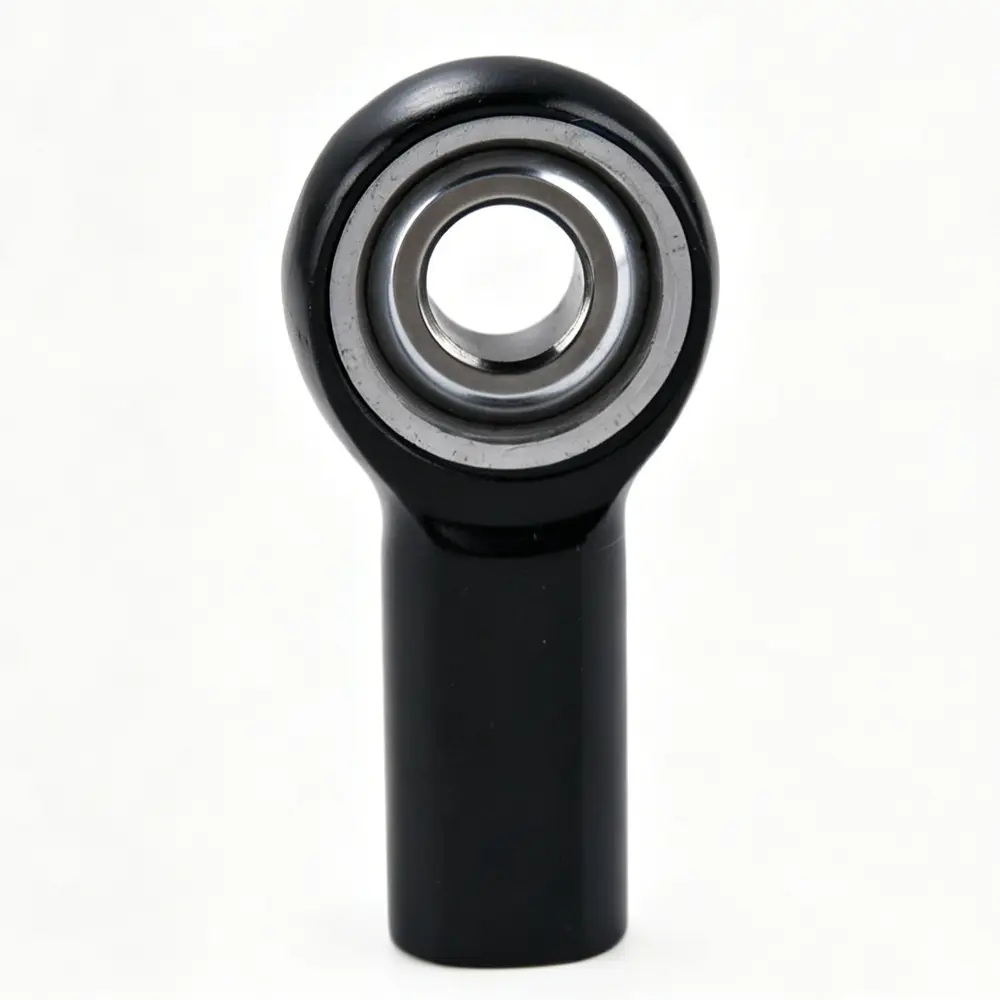
A black colour-anodized female rod end used in turnbuckle and double-adjuster linkage configurations.

A heavy-duty variant in the same anodized aluminium family, applied across a different body geometry.

Another colour variant from the documented anodized 7075-T6 product family, showing red and black as production options.

The product specification lists anodizing, polishing or sandblasting as finish options for this machined aluminium clevis.
Need a specific colour, finish type or masked surface on an aluminium part? Send us the drawing.
Colour consistency matters, but the machined interfaces and the aluminium substrate matter just as much.
The aluminium grade, machined surface and preparation requirements are checked before the external finish route is released.
Threads, bores, bearing seats and contact faces are identified so the finished layer does not interfere with assembly.
Colour, surface appearance and batch consistency are checked against the agreed product or order acceptance standard.
Dimensions and any agreed finish documentation are checked before finished parts are released.
Anodizing follows the prepared surface. Tool marks, edge breaks and burr removal should be planned before the part is sent out.
Different aluminium alloys and surface conditions can influence colour and appearance. The acceptance standard should be agreed for the actual batch.
Specify masking and allowance for threads, bores and fits so the visual finish does not compromise assembly.
No. Anodizing is arranged through external finishing partners after machining or fabrication, with the finish and checks defined per order.
Anodizing is an aluminium finishing route. Our documented product examples are primarily 7075-T6 aluminium; the actual alloy is confirmed from the drawing.
Current product specifications list Red, Black, Plain, Purple, Blue, Green and Pink options on documented aluminium rod end lines. Colour availability for a custom part is confirmed for the order.
Plain is a listed finish option, not a colour claim. The page uses the product specification’s wording and separates it from the listed colour variants.
It can be considered, but the layer, masking and final dimension must be designed into the route. Send the fit tolerance and surfaces that must remain functional.
Type II and Type III are general industry categories. The specific partner capability and finish type for your order are confirmed during drawing review rather than assumed.
Yes, the rear brake clevis product specification lists anodizing among its finish options. Similar custom parts are reviewed from the drawing and material.
Send the aluminium grade, drawing, colour and critical interfaces. We will review the finishing route and order-specific acceptance requirements.