
Steel Balls Buyers’ Guide
These are the spherical running elements inside rod ends and spherical bearings — 52100 chrome steel, precision ground, heat treated and hard chrome plated, supplied separately for rebuild work or as HMBL high-misalignment balls that increase a joint’s articulation. This guide covers both series and how to choose.
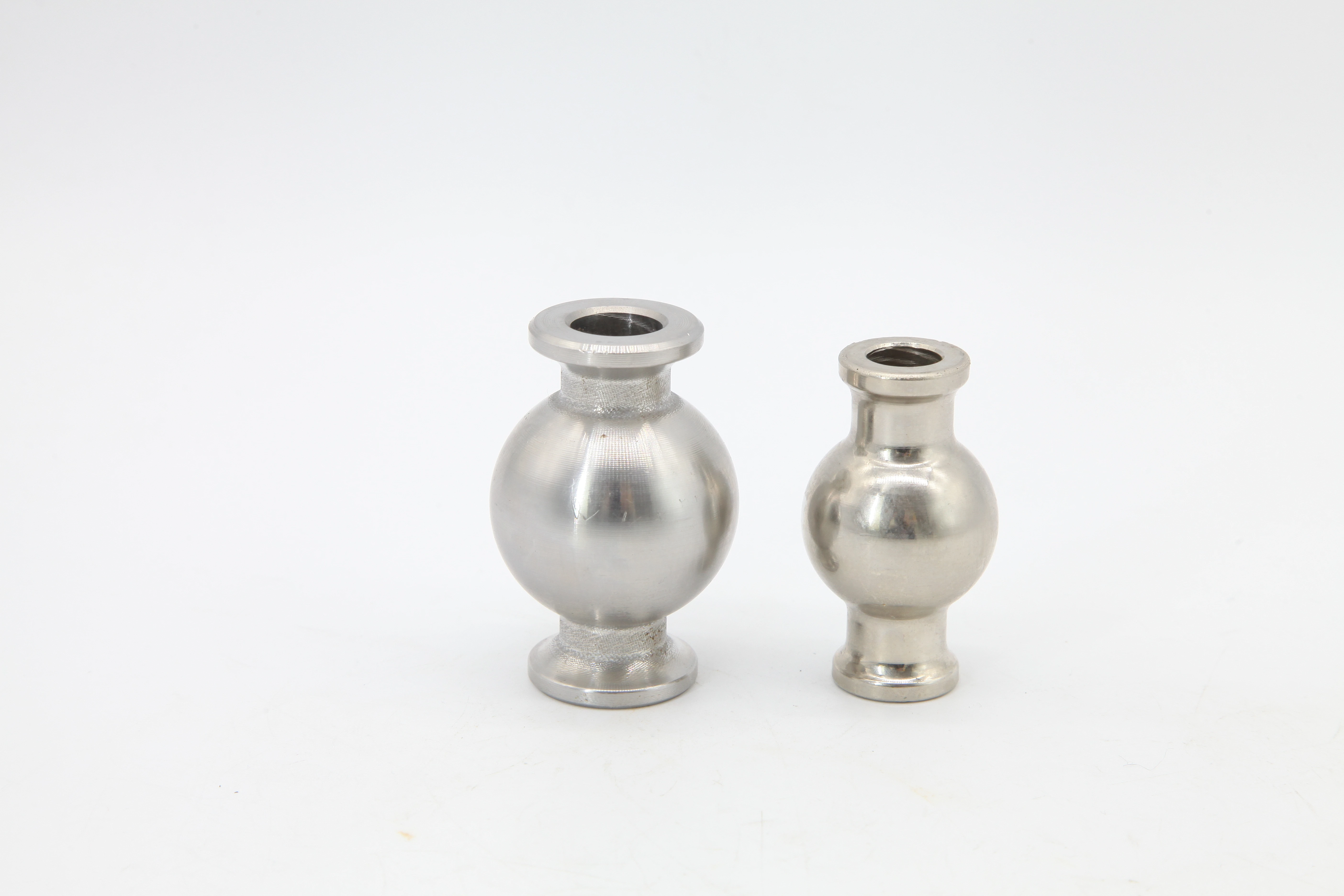
What Are These Steel Balls?
DefinitionThese are the spherical ball elements used inside rod ends and spherical bearings — supplied separately for repair and rebuild work, or as high-misalignment balls for building joints with extra articulation. This is not generic loose hardware: the balls are bearing-grade components.
Material is 52100 bearing steel — heat treated, precision ground and hard chrome plated — with 440C stainless as an option for corrosion resistance. Two series: CBL-DP precision replacement balls and HMBL high-misalignment balls, bore 0.1900″–1.5000″.
- Also called
- Rod end balls · bearing balls
- Core function
- Running element / misalignment upgrade
- Series
- CBL-DP standard · HMBL high-misalign.
- Material
- 52100 chrome steel · 440C option
Anatomy: What Makes a Bearing-Grade Ball
StructureFour attributes separate a bearing ball from hardware-store steel.
52100 Bearing Steel
The classic through-hardened bearing alloy — high carbon with chromium, giving the hardness and fatigue life a swiveling load path demands.
Precision Grinding
The ball is ground to spherical and diameter tolerance — the surface the race or liner actually runs against.
Heat Treatment
Through-hardened for subsurface strength under Hertzian contact stress — the treatment a weld or DIY substitute would destroy.
Hard Chrome Plating
A hard, low-friction chrome layer on the running surface — wear resistance on top of the hardened substrate.
CBL-DP — Replacement Balls
Precision balls sized as the running element for rod-end and spherical-bearing rebuild work — restore a worn joint by replacing the ball.
The standard path when a joint’s ball is worn, scored or damaged but the housing is sound.
HMBL — High-Misalignment Balls
HMBL balls are specifically sized to increase a joint’s articulation angle — used with high-misalignment spacers to unlock more suspension or linkage travel.
The performance path when a standard ball limits travel.
What the Ball Does in the Joint
FunctionFour engineering roles — each maps to a series decision.
Be the running surface
The ball is the element everything slides on — its hardness, roundness and finish set the joint’s friction and wear life.
Carry the contact stress
Hertzian contact stress between ball and race is enormous; 52100’s through-hardened subsurface resists it.
Restore worn joints
A scored or worn ball is replaced, not the whole joint — CBL-DP makes rebuilds economical.
Unlock extra articulation
HMBL’s geometry works with high-misalignment spacers to raise the joint’s working angle beyond standard.
Where steel ball replacements fail
- Substituting unhardened or unground balls — rapid wear and joint slop.
- Wrong diameter or bore pairing with the race and liners.
- Running 52100 balls in corrosive service instead of 440C.
- Skipping the inspection of race and liner during the rebuild.
Choose the Material and Series
MaterialsTwo material options, two series — matched to duty and environment.
52100 Chrome Steel
Bearing standardThe classic bearing alloy, heat treated and hard chrome plated — the standard ball material across both series.
440C Stainless
Corrosion serviceStainless option where washdown, marine or chemical exposure would corrode chrome-plated carbon steel.
HMBL Series
Articulation upgradeBalls sized specifically to increase a joint’s articulation angle when paired with high-misalignment spacers.
Materials and Finishes
Surface treatmentSurface engineering is the product.
| Treatment | Applied to | Series examples | What it does |
|---|---|---|---|
| Through hardening | Ball substrate | All series | Subsurface strength under contact stress. |
| Precision grinding | Ball surface | All series | Spherical and diameter tolerance for smooth running. |
| Hard chrome plating | Running surface | All series | Hard, low-friction, wear-resistant outer layer. |
| 440C stainless | Whole ball | Corrosion option | Material-level corrosion resistance — no plating dependence. |
Bore/diameter charts for both series are on the spec pages — CBL-DP and HMBL.
Where Steel Balls Perform
ApplicationsWherever a spherical joint is rebuilt or upgraded.
Rod End Rebuilds
Replacing worn or scored balls to restore a joint whose housing is sound.
CBL-DPSpherical Bearing Rebuilds
Bearing element replacement in pressed-in spherical bearings.
CBL-DPHigh-Articulation Builds
Suspension and steering links needing more travel than the standard ball allows.
HMBLCorrosive Environments
Marine and washdown joints running stainless balls.
440CHow to Choose: 4 Steps, Then the Series Table
Selection referenceDefine the Job
Repair/rebuild → CBL-DP. Extra articulation → HMBL.
Match the Geometry
Ball diameter and bore must pair with the joint’s race and liners — measure before ordering.
Pick the Material
52100 chrome steel standard; 440C stainless for corrosive environments.
Inspect the Rest
A new ball in a worn race or liner is a wasted rebuild — check the whole joint.
| Series | Purpose | Bore range | Material | Specs |
|---|---|---|---|---|
| Steel ball series | ||||
| CBL-DP | Precision replacement balls | 0.1900″–1.5000″ | 52100 (440C option) | View |
| HMBL | High-misalignment balls | 0.1900″–1.5000″ | 52100 (440C option) | View |
Rebuilding a full joint? Pair with high-misalignment spacers when running HMBL balls, and check the rod end range for the joint itself.
Get Selection HelpSteel Ball Buyers’ Questions
FAQQ1What are these steel balls for?
Q2What material are they?
Q3What is an HMBL ball?
Q4What sizes are covered?
Q5Can I use them in any rod end?
Selecting Steel Balls?
Send us the ball diameter, bore and material — SYZ engineers reply with the right series and factory-direct pricing from sample to production.