Skip to content
Manufacturing capability / finishing

Plating

Zinc plating and hard chrome plating solve different problems. Zinc is used for corrosion protection on steel hardware and fabricated components; hard chrome is used where a hard, low-friction surface is needed on a working component such as a bearing ball. We specify the finish for the substrate, function and fit, then arrange the external process per order.

DocumentedZinc-plated finish options across current catalogue products
Hard chromePlated bearing balls documented on selected rod end product lines
01 / Process fundamentals

What Is Plating?


Plating deposits a metal layer onto the surface of a different substrate, usually through an electrochemical process. The deposited layer changes the surface behaviour without changing the material of the component underneath.

Zinc plating is primarily a corrosion-protection finish for steel. Hard chrome plating provides a harder, wear-resistant and low-friction surface where the working interface needs it. Black oxide is different again: it is a conversion coating that changes the surface of the steel rather than depositing a conventional plated layer.

Plating is not just a colour selection. Coating thickness, edges, threads, bores and mating surfaces all have to be considered because the added layer can affect fit, torque, clearance and the final measured dimension.

02 / Finish selection

Zinc, Hard Chrome or Black Oxide?


FinishPrimary purposeTypical locationFit implication
Zinc platingCorrosion protection and a consistent finished appearanceSteel hardware, adjusters, clamps and fabricated componentsSpecify thickness and mask or allow for threads and mating surfaces
Hard chrome platingHardness, wear resistance and lower sliding frictionBearing balls or other defined working surfacesThickness is functional; final size and finish must be controlled
Black oxideConversion coating, light corrosion support and appearanceChromoly bodies, steel fittings and close-fit partsUsually a different dimensional effect from plated thickness, but still confirm fit
The practical rule: choose the finish from the working surface and environment, not from colour alone. A bearing ball, a threaded adjuster and a welded chassis bracket do not need the same surface treatment.
03 / Production route

Plating at SYZ


Corrosion-protection route

Zinc-plated steel parts

After machining or fabrication, a carbon-steel or chromoly component can be sent for the zinc finish specified for the application. Threads, bores, edges and masking requirements are reviewed before release.

ExternalPlating process arranged per order
ZincSteel corrosion-protection route
FitThickness included in drawing review
Per orderChecks and documents confirmed
Typical route: turning, milling or fabrication → plating → incoming visual and dimensional check → final inspection.
Working-surface route

Hard chrome on a bearing ball

Selected ball and rod end specifications identify hard chrome plating on the bearing surface. The finish, thickness and final fit are treated as functional requirements, separate from the body finish.

BallWorking surface with defined function
ChromeHard, low-friction surface option
CheckVisual and dimensional as agreed
SeparateDo not confuse with body coating
Finish distinction: black oxide on a chromoly body and hard chrome on a 52100 ball are two different treatments on one product, each selected for a different job.
04 / Application fit

What Plating Makes Possible


01

Outdoor steel hardware

Zinc-plated nuts, adjusters, clamps and brackets resist the corrosion exposure expected in chassis and general outdoor assemblies.

02

Hard working surfaces

Hard chrome can be specified on a bearing ball or other working surface where wear and low friction matter.

03

Finish variants by material

Steel, 4130 chromoly and aluminium may use different finish families for the same functional component, depending on fit and environment.

04

Controlled final fit

Plating thickness is included in the dimensional review so threads, bores and mating surfaces remain usable after finishing.

Materials in the documented examples: carbon steel, 4130 chromoly, 52100 bearing steel and aluminium. The substrate and finish are specified together; black oxide is shown separately because it is a conversion coating, not plating.
05 / Product examples

Plated Components From Our Product Lines


Zinc optionOD tube clamp with zinc plated finish for chassis and roll cage structures
Tube clamp

ODTC-003 OD Tube Clamp

The product specification calls out optional black zinc plating on the 4130 chromoly or carbon-steel body for exposed structural use.

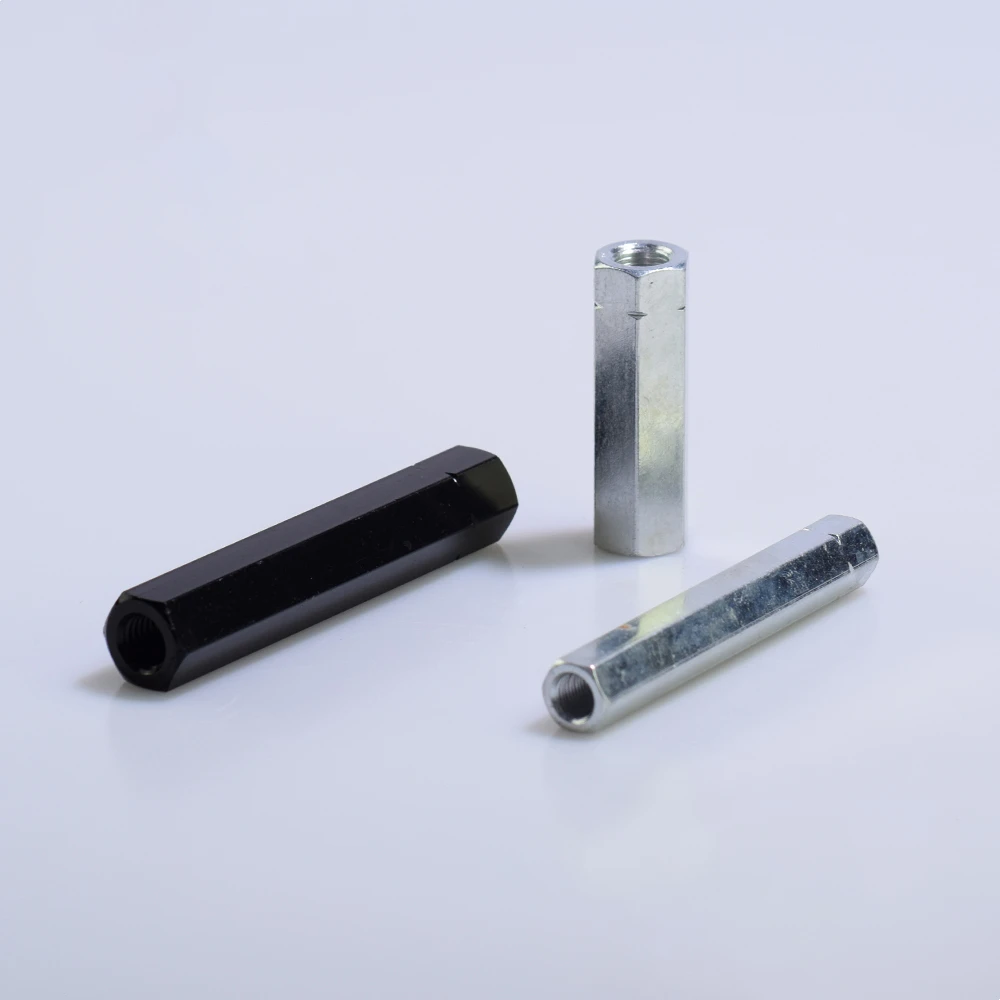
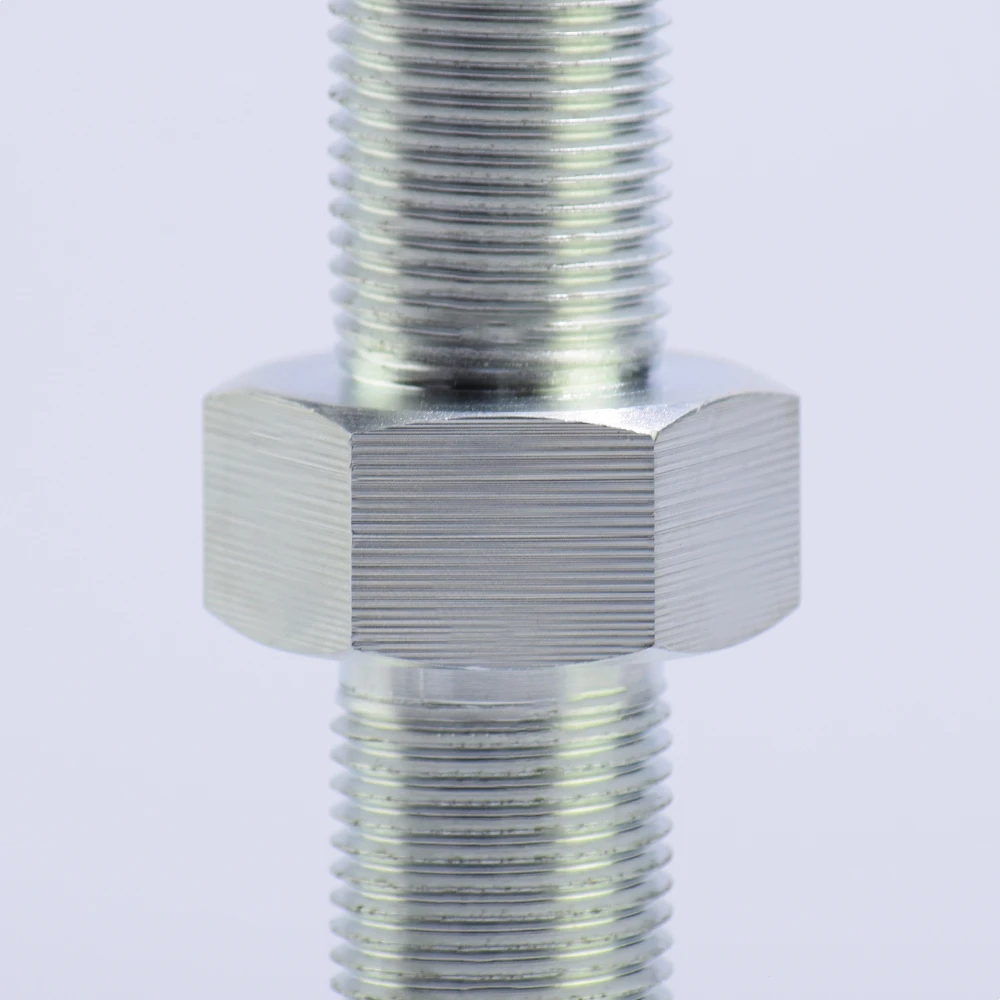
Silver zincTurnbuckle hex bar adjuster, carbon steel with silver zinc plated finish
Threaded adjuster

HBT12-26.00 Turnbuckle Hex Bar

Carbon steel with a silver zinc-plated finish, providing corrosion protection on an exposed threaded adjuster.

Lock nutSteel zinc plated lock nut and jam nut
Steel hardware

JNR16S-2 / JNL16S-2 Jam Nut

A zinc-plated steel lock nut example where corrosion protection is part of a simple, repeatable hardware finish.

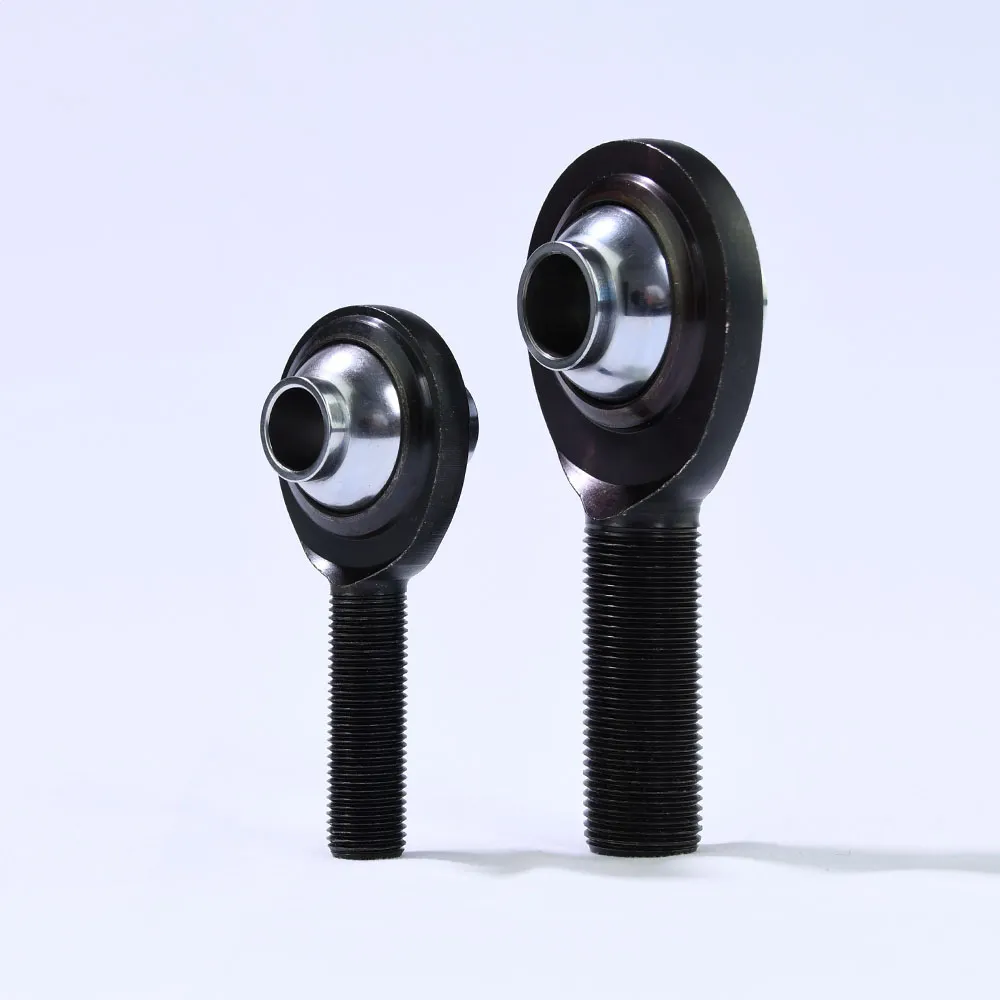
Chrome ballHigh-misalignment chromoly rod end with black oxide body and hard chrome plated ball
Chromoly rod end

PCYMR12T / PCYML12T

The 4130 chromoly body is heat treated and black oxide coated, while the 52100 bearing-steel ball is separately hard chrome plated.

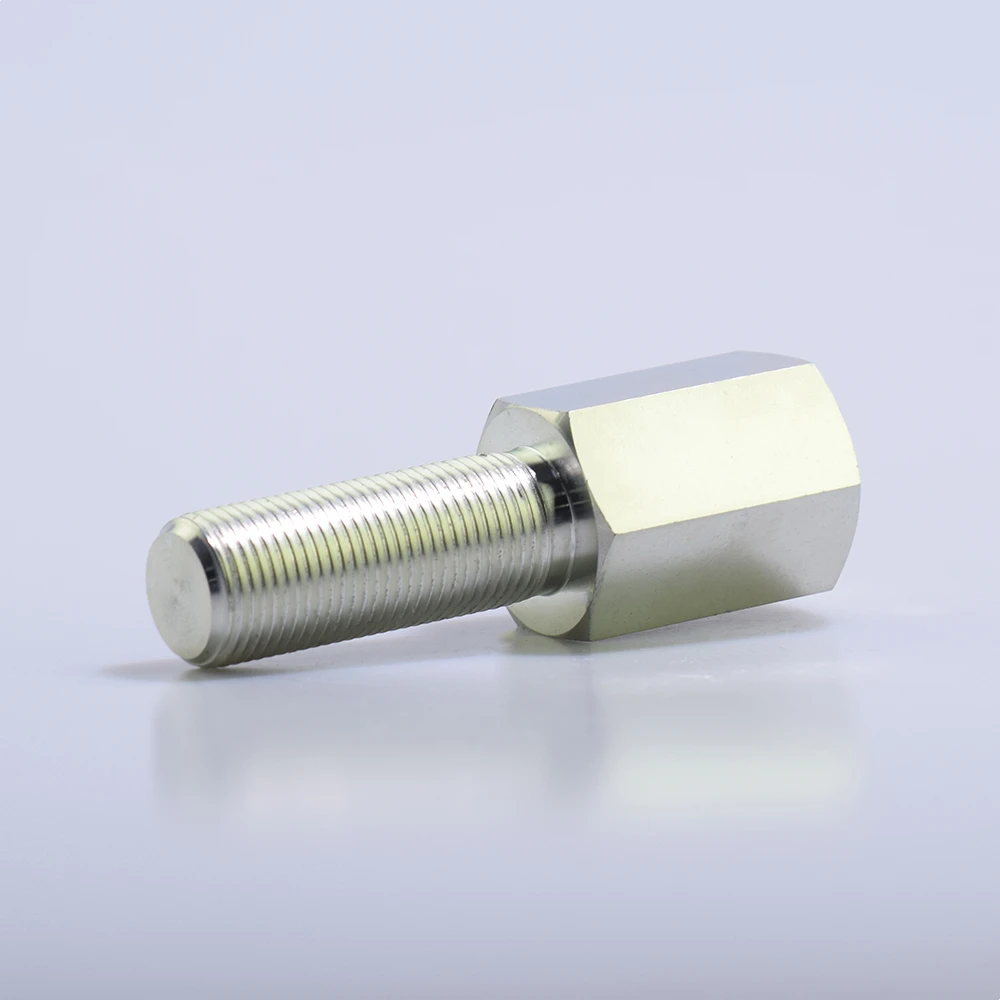
Finish familyLinkage adjuster family in zinc plated steel and black anodized aluminium
Linkage adjuster

LBA / LBAX / ALBA-M10

The family shows the material/finish decision directly: zinc-plated carbon steel, zinc-plated 4130 chromoly and black anodized aluminium variants.

Two finish optionsM10 ball and socket joint available in zinc plated or black oxide finish
Ball and socket

10mm Ball Joint

Available in zinc-plated or black-oxide finish variants depending on corrosion protection and fit requirements.

Need a finish that must preserve a thread, bore or bearing fit? Send us the drawing and finish requirement.

06 / Quality control

How Plated Parts Are Controlled


Plating is controlled as a surface and dimensional operation. The exact certificate, thickness and test package is agreed for the part and order.

01

Finish and substrate review

The required plating type, base material, appearance and areas to mask are checked before the external process is released.

02

Dimensional allowance

Threads, bores, bearing fits and mating surfaces are reviewed with the plating thickness included in the final-size requirement.

03

Incoming inspection

Visual condition and agreed dimensional checks are performed when finished parts return to the applicable production route.

04

Final release

Final inspection follows the product and order plan; process certificates or additional tests are included only when confirmed for that order.

07 / Design for manufacture

Specifying Plating


Send this with your enquiry

  • Part drawing and substrate material
  • Plating type, colour and appearance
  • Thickness or corrosion requirement
  • Threads, bores and surfaces to mask
  • Fit tolerance after finishing
  • Required inspection or certificate package
01

Function before colour

Decide whether the part needs corrosion protection, a hard working surface or a conversion coating before selecting the visual finish.

02

Account for thickness

Plating can change the fit of a thread, bore or mating surface. Define the finished dimension and the areas that must be masked.

03

Sequence matters

Heat treatment, grinding and plating may interact. The process sequence is confirmed from the material and functional surfaces.

08 / Questions

Plating FAQ


Do you operate your own plating line?

No. Plating is arranged through external partners to the finish, fit and inspection requirements agreed for the order.

What is the difference between zinc plating and hard chrome?

Zinc is primarily a corrosion-protection finish for steel. Hard chrome is selected for a harder, wear-resistant and lower-friction working surface such as a bearing ball.

Is black oxide a type of plating?

No. Black oxide is a conversion coating that changes the steel surface; it does not deposit the same type of plated metal layer as zinc or hard chrome.

Can plating be applied to threaded parts?

Yes, but the thread fit and added thickness must be considered. Masking, allowance and final inspection are defined from the drawing.

Can you plate a bearing ball?

Selected product specifications document hard chrome plating on bearing balls. The required thickness, finish and final fit are confirmed for the actual order.

Can you provide salt-spray or thickness reports?

Available reports and tests are confirmed per order. We do not present a blanket certificate package for every externally plated component.

What should I send for a plating quote?

Send the drawing, substrate, finish type, appearance, thickness or corrosion requirement, areas to mask and the final fit tolerance.

Finish the surface for its job

Need a Plated Component?


Tell us the substrate, environment, working surface and final fit. We will review the appropriate plating route and order-specific checks.

Request a Quote

Please submit the form or email [email protected]

🍪
We Use Cookies