Skip to content
Manufacturing capability / finishing

Heat Treatment

Heat treatment changes the hardness, strength and wear behaviour of a metal part. A large share of the balls and races in our catalogue are heat treated to their material and application requirements. The furnaces are external to our production sites; we define the requirement, route the work to a suitable partner, and verify the result where that inspection is available in our own network.

RockwellHardness testing available at our own Ningbo facility and affiliated Wuxi base
Catalogue documentedHeat-treated balls, races and housings across multiple product lines
01 / Process fundamentals

What Is Heat Treatment?


Heat treatment is a controlled heating and cooling sequence used to change a metal’s internal structure and, with it, the balance between hardness, strength, toughness and wear resistance. It is not a surface finish: it changes the properties of the material itself.

Through-hardening hardens the full section of a suitable steel part. Case hardening creates a harder outer layer over a tougher core; carburizing is one common way to introduce carbon before hardening. Tempering follows hardening when the required balance of hardness and toughness calls for it. Stress relieving or normalizing can reduce residual stress or refine structure before later machining and finishing.

The treatment has to be matched to the material, the load case, the working surface and the amount of material that will be removed afterward. The target is not simply “as hard as possible”; it is a usable combination of wear life, toughness and dimensional stability.

02 / Engineering choice

Match the Treatment to the Requirement


Part requirementTreatment question
Bearing ball or race with repeated contactThrough-hardening and a defined hardness range, followed by grinding allowance and finish grinding
Wear surface with a tougher coreWhether a case-hardened route is appropriate, including required case depth
Hardened part that must not become brittleTempering sequence and the hardness/toughness balance for the application
Welded, forged or heavily machined partWhether stress relief or normalizing is needed before the next operation
Part with tight final dimensionsMachining allowance and expected distortion must be planned before treatment
The practical rule: specify the material, required hardness and functional surface first. The heat-treatment route and the amount of stock left for grinding are then confirmed with the production partner during drawing review.
03 / Production route

Heat Treatment at SYZ


Typical bearing route

Machine, treat, grind

A typical route for a bearing ball or race is to machine the part with suitable allowance, send it to an external heat-treatment partner, then grind the functional surface after treatment. The exact sequence depends on material, geometry and required hardness.

ExternalFurnace process arranged to specification
RockwellHardness check where routed through available tester
GrindingTypical final step for precision contact surfaces
Per orderDocuments and checks confirmed at review
Representative sequence: forging or machining → heat treatment → grinding or other finishing. This is a route example, not a claim that every catalogue product follows every step.
Verification route

Ningbo and Wuxi

Our own Ningbo facility and affiliated Wuxi base have Rockwell hardness testers. When a specific order is routed through those inspection points, hardness can be checked against the agreed requirement and the available documentation is confirmed per order.

NingboOwn production facility
WuxiAffiliated production base
No furnaceHeat treatment remains external
Drawing reviewRequirement and evidence defined up front
Important boundary: the availability of a hardness check or process document is confirmed for the specific order; it is not presented here as a blanket certificate package for every part.
04 / Application fit

What Heat Treatment Makes Possible


01

Bearing contact surfaces

Harder balls and races withstand repeated rolling or sliding contact in spherical bearings, rod ends and ball joints.

02

Loaded pins and studs

Hardenable steels can be treated for wear resistance at pivots while retaining the toughness needed in the core.

03

Chromoly bodies

4130 components may use a specified treatment as part of a strength and durability route, followed by the required finish.

04

Stress management

Stress relief or normalizing can be considered after welding, forging or heavy machining when the drawing and application call for it.

Materials appearing in our documented product examples: 52100 bearing steel, 4130 chromoly alloy steel and 440C stainless steel. The applicable grade and treatment are confirmed against the drawing or product specification.
05 / Product examples

Heat-Treated Components From Our Product Lines


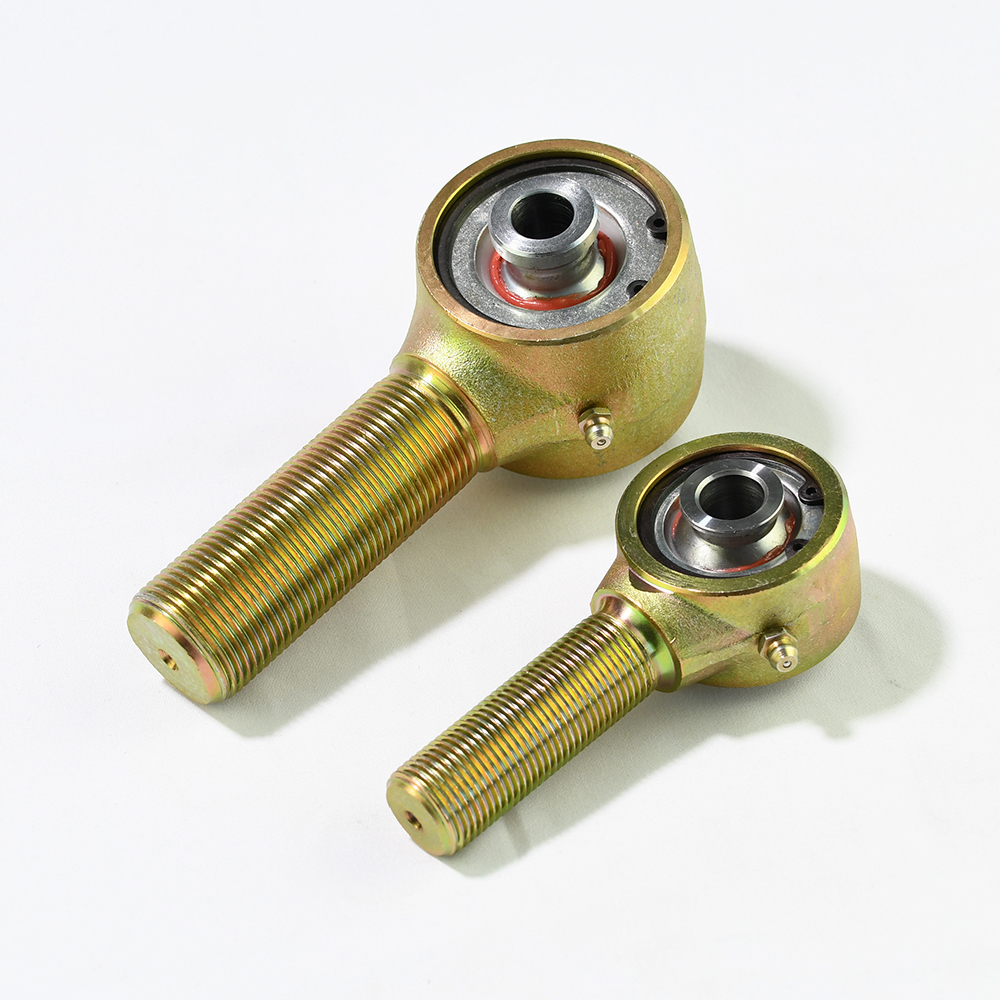
4130 housingJohnny joint with heat treated 4130 chromoly housing
Johnny Joints

Johnny Joints

The 4130 chromoly housing is heat treated for durability under the repeated articulation of off-road suspension use.

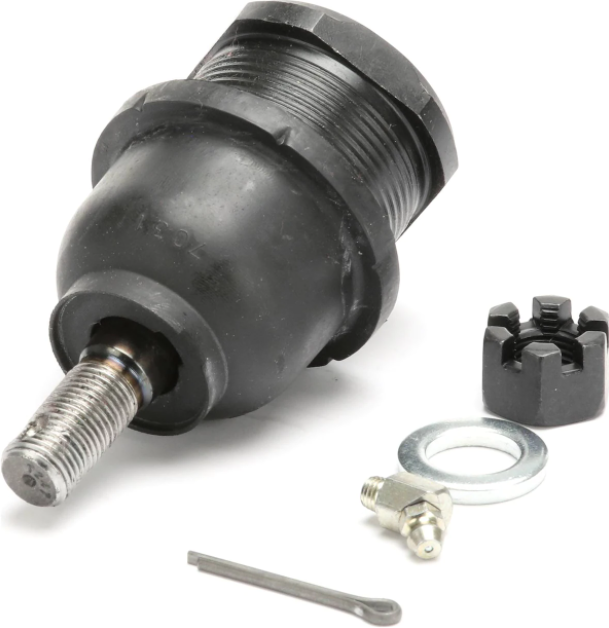
Ball studK772 heavy duty automotive ball joint with heat treated ball stud
Heavy-duty joint

K772 Ball Joint

The ball stud is heat treated specifically for the wear resistance required at a heavy-duty automotive pivot point.

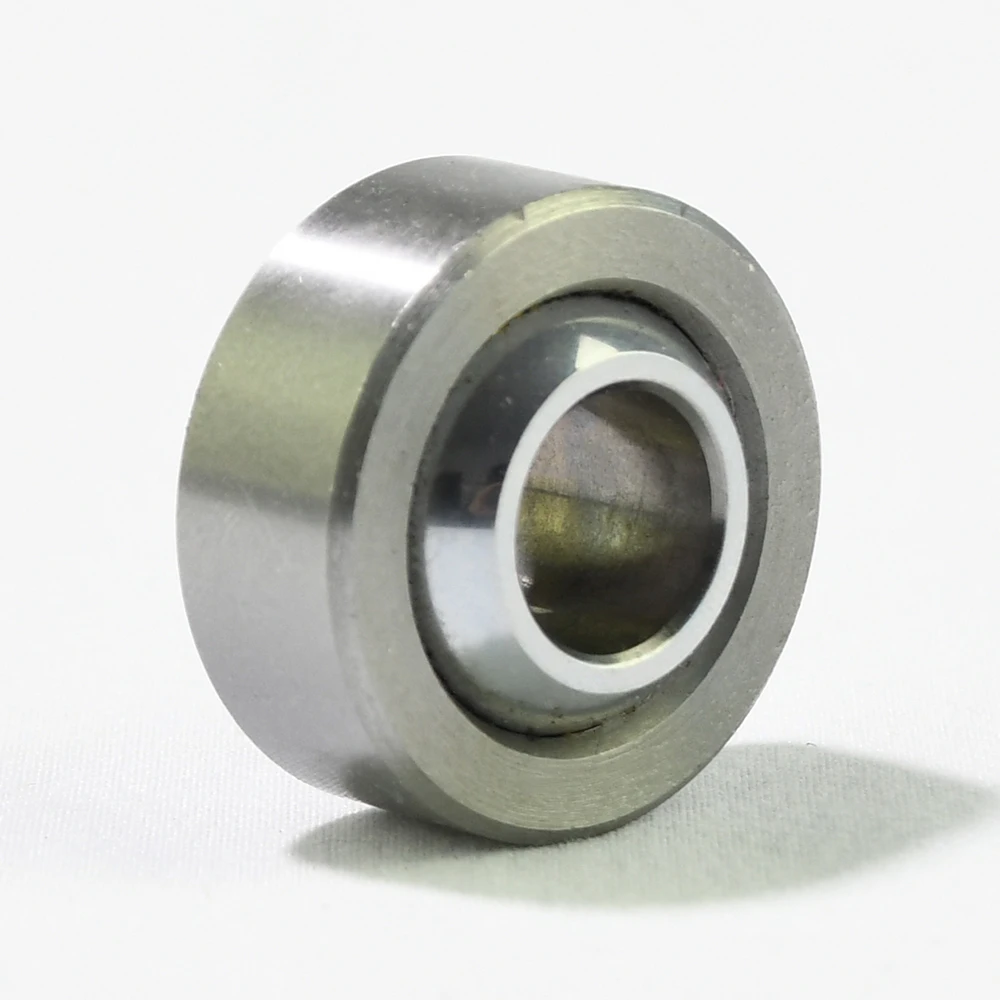
52100 ballGE20C self-lubricating spherical bearing for shock absorber applications
Metric spherical bearing

GE20C

The specification identifies a precision-ground, heat-treated 52100 bearing steel ball; grinding follows the treatment in the representative sequence.

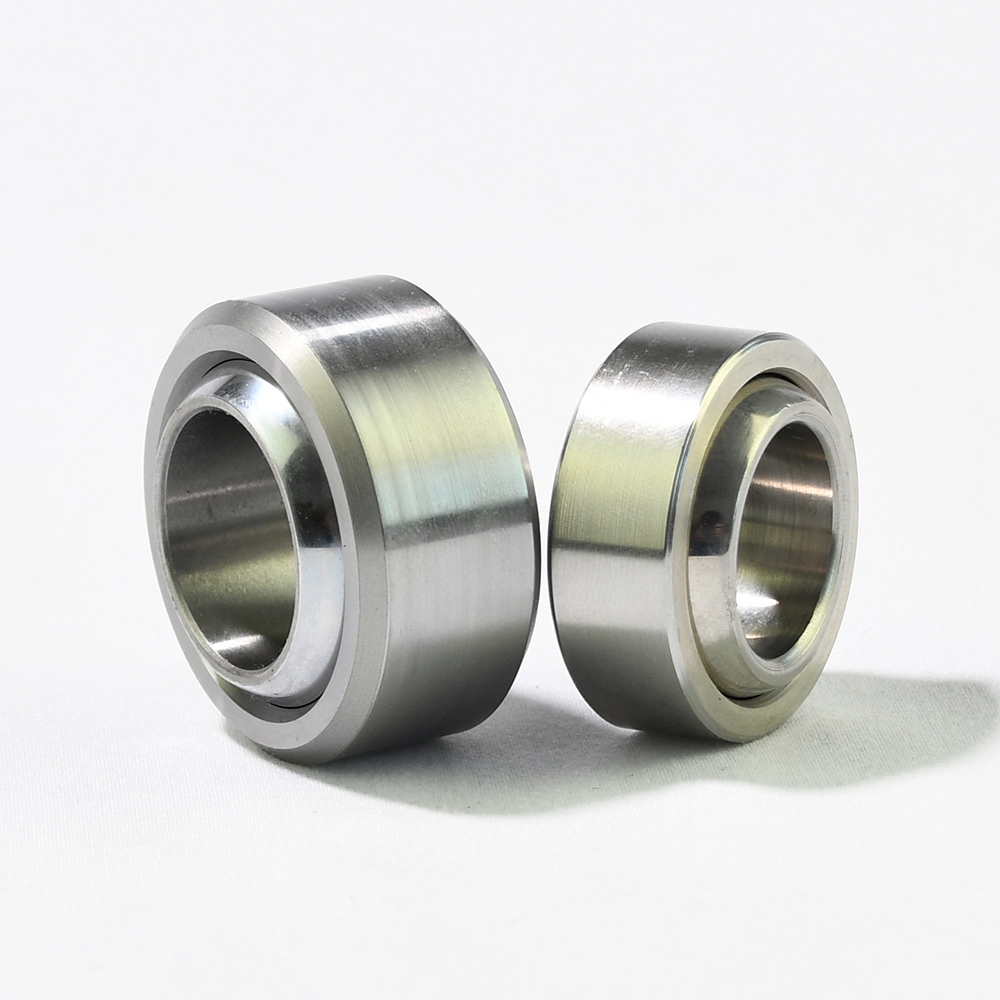
Ball + raceFKS heavy duty alloy steel spherical bearing with heat treated ball and race
Heavy-duty bearing

FKS Heavy Duty Spherical Bearing

The documented route identifies heat-treated 52100 ball and 4130 chromoly race surfaces for the mating wear pair.

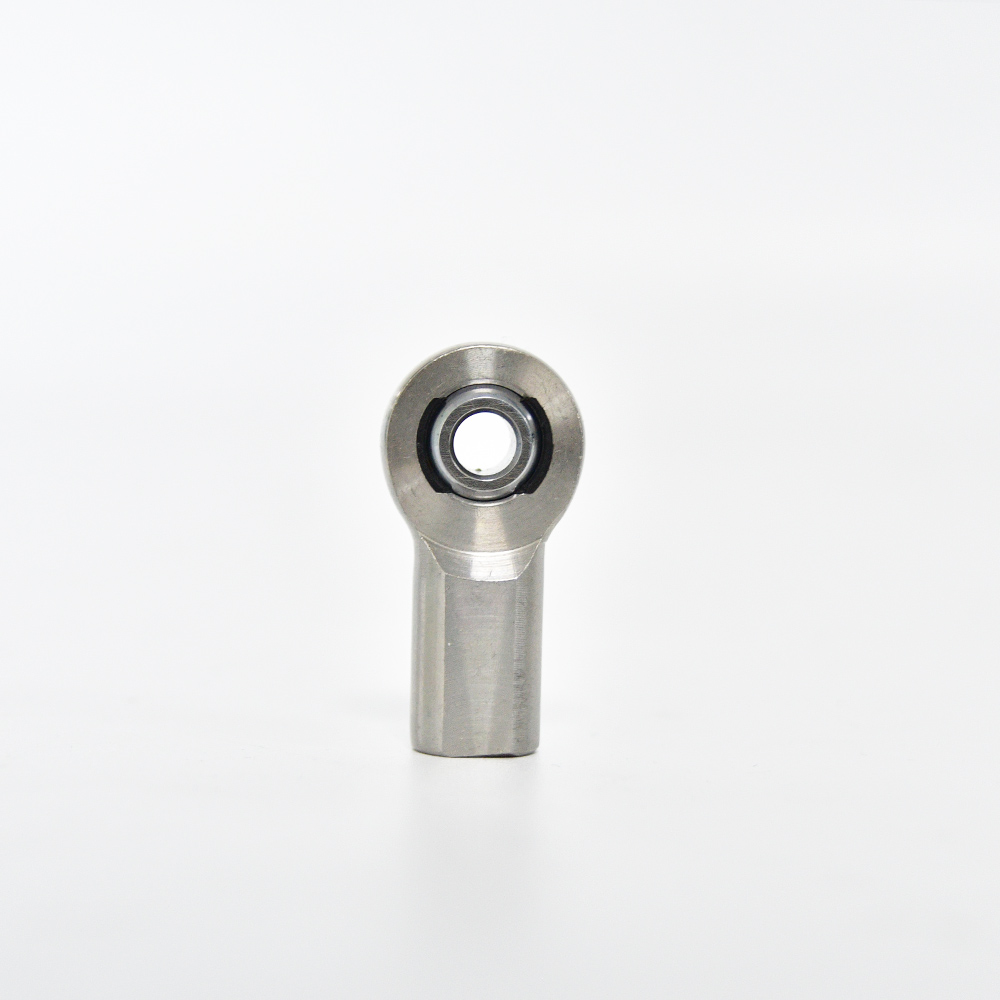
440C stainlessStainless steel female heim joint rod end bearing with heat treated 440C ball
Stainless rod end

Female Stainless Heim Joints

The hardenable 440C ball is treated for wear resistance while retaining the corrosion-resistance rationale for the stainless material choice.

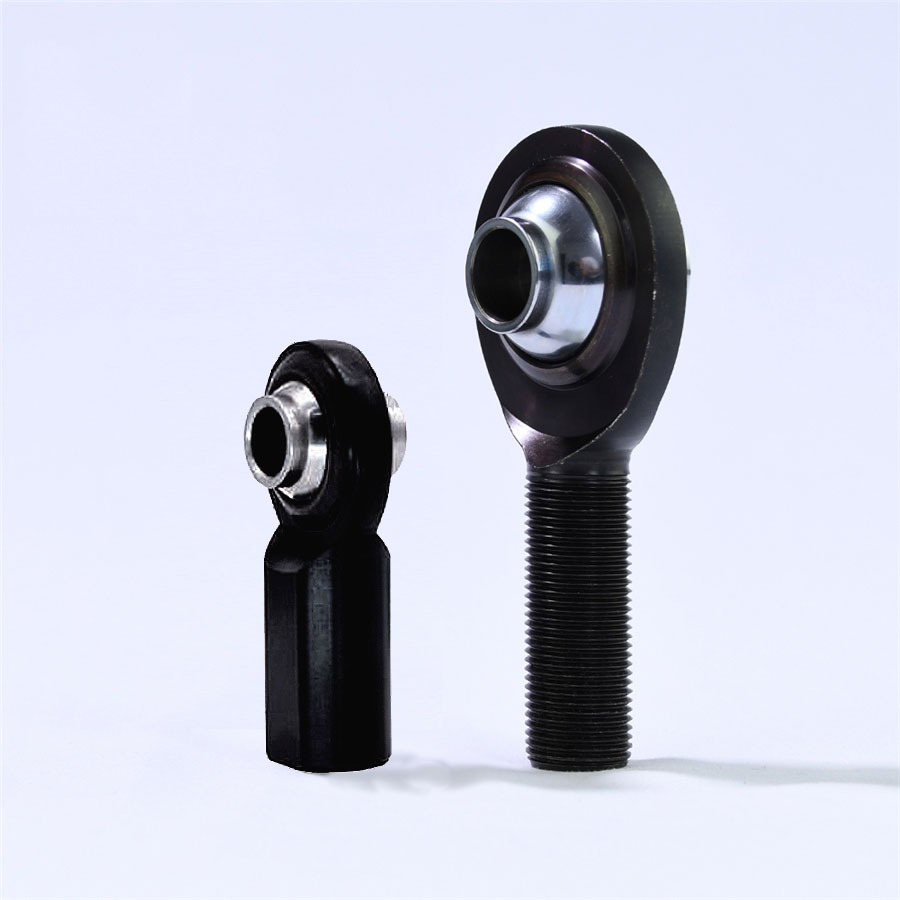
High misalignmentHigh misalignment heim joint with heat treated ball and chromoly body
Chromoly rod end

Black Oxide High-Misalignment Heim Joint

Heat treatment of the ball and chromoly body is paired with black oxide to support the specified strength, wear and surface requirements.

Have a hardness target, case-depth requirement or post-treatment grinding allowance? Send us the drawing.

06 / Quality control

How Heat-Treated Parts Are Controlled


The control plan is built around the specified material, hardness and final dimensions — with the evidence package agreed for the order.

01

Requirement review

Material grade, hardness range, treatment type, case depth and machining allowance are checked before the route is released.

02

Pre-treatment dimensions

Critical dimensions are checked before an external treatment step so the finishing allowance is controlled.

03

Hardness verification

Rockwell testing is available at Ningbo and Wuxi when the order is routed through the relevant inspection point.

04

Final inspection

After grinding or other finishing, dimensions and the agreed appearance or documentation requirements are checked before release.

07 / Design for manufacture

Specifying Heat Treatment


Send this with your enquiry

  • Part drawing or 3D model with critical dimensions
  • Material grade and required hardness range
  • Through-hardening or surface/case requirement
  • Case depth, if applicable
  • Final finish and dimensional tolerance
  • Required inspection documents or test method
01

Hardness is a design input

The target must balance wear resistance with toughness. A maximum hardness number without an application context is not a complete requirement.

02

Leave the right allowance

Heat treatment can move dimensions. Leave suitable stock where a later grinding or finishing operation has to restore a contact surface.

03

Sequence changes cost

Whether threads, bores and sharp edges are made before or after treatment affects tooling, distortion risk and inspection effort.

08 / Questions

Heat Treatment FAQ


Do you operate your own heat-treatment furnaces?

No. Heat treatment is arranged through external partners to the specification agreed for the order. Our Ningbo facility and affiliated Wuxi base have Rockwell testers for applicable verification routes.

Can you heat treat balls, races and rod end bodies?

Yes, heat-treated balls, races and housings appear in our documented product lines. The material, treatment and final inspection requirements are confirmed for the specific part.

Do you offer through-hardening and case hardening?

Both are engineering options in general heat-treatment practice. Which route is suitable for your material and load case is confirmed during drawing review rather than assumed from the component name.

Will heat treatment change my dimensions?

It can. Distortion and dimensional movement are why machining allowance, datum strategy and any post-treatment grinding need to be considered before the route is released.

Can you provide a hardness report?

Hardness verification and available documentation are confirmed per order. Rockwell testing is available at our own Ningbo facility and affiliated Wuxi base for applicable routes.

Which materials do you commonly heat treat?

Our documented examples include 52100 bearing steel, 4130 chromoly alloy steel and 440C stainless steel. The grade and treatment must be specified for the actual part.

What should I send for a heat-treatment quote?

Send the drawing, material, hardness or case-depth requirement, critical dimensions, final finish and any required report or inspection method. We will confirm the route and evidence available.

Build the requirement into the route

Need a Heat-Treated Component?


Send the drawing, material and hardness requirement. We will review the treatment, allowance, finishing sequence and order-specific verification with you.

Request a Quote

Please submit the form or email [email protected]

🍪
We Use Cookies