Why PTFE Lining Matters
A PTFE liner in a spherical bearing or rod end is a component that makes the unit self-lubricating. Metal-on-metal bearings require lubrication, but in certain applications, lubrication can be difficult to maintain. Grease attracts dirt, which may accelerate wear on the mating metal surfaces. Excessive wear increases fatigue and can ultimately lead to expensive failures.
How PTFE Lining Works
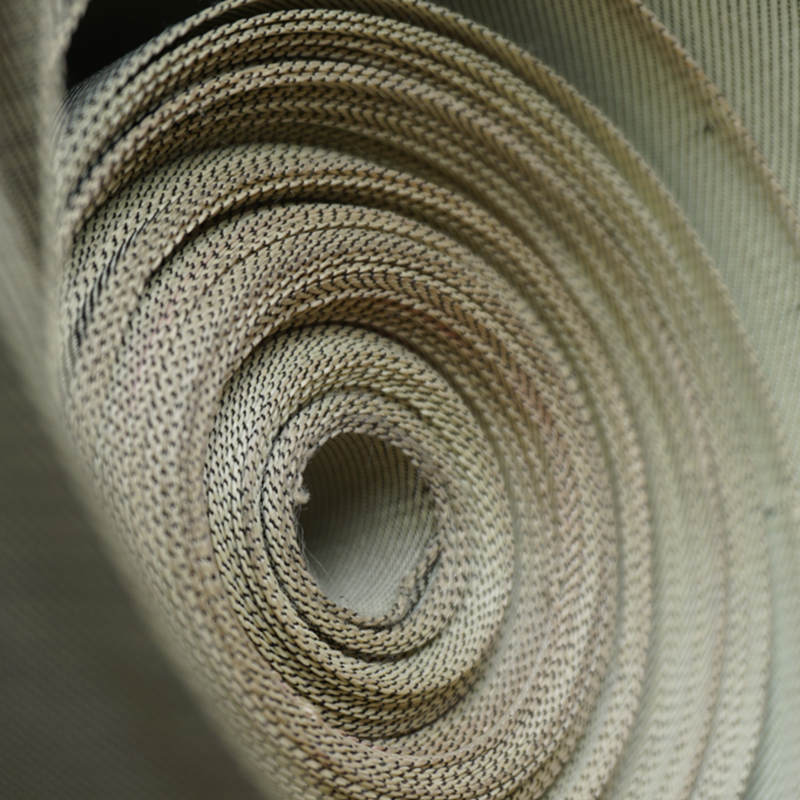
A PTFE liner eliminates the need for external lubrication in spherical and rod end bearings. It typically consists of a base fabric embedded with PTFE, which is bonded to a metal surface using a resin. The liner is applied to the inner portion of the bearing’s outer race (body), allowing the ball to ride directly on the liner. As the ball moves, it slides against the liner, which provides consistent lubrication.
Mechanical Advantages of PTFE Liners
A high-quality PTFE liner will generally have a minimum compressive strength of 40,000 psi. This type of liner significantly reduces internal clearance between the ball and race, allowing for a much tighter fit. Recent advancements in self-lubricating liner technology have enabled manufacturers to offer products with life cycles up to four times longer than earlier versions.
The Importance of Proper Bonding
When selecting a PTFE-lined spherical or rod end bearing, it’s crucial to choose a manufacturer with proven expertise. Bonding PTFE liners is technically challenging due to the material’s low surface energy, which makes adhesion difficult. If the bonding process is incorrect, the liner may separate from the race, compromising the performance and integrity of the bearing.
Consequences of Poor Liner Quality
Liner separation leads to rapid degradation of both the liner and the ball. In severe cases, failure of the spherical or rod end bearing can be catastrophic. PTFE lining standards vary significantly among manufacturers, so it’s essential to evaluate product quality carefully when selecting a supplier.
Final Note
PTFE-lined spherical and rod end bearings offer significant advantages in applications where traditional lubrication is impractical or undesirable. By reducing friction, wear, and the need for maintenance, PTFE liners enhance the reliability and service life of these critical components. However, variations in liner quality and bonding methods mean that not all PTFE-lined bearings perform equally. Engineers and buyers should carefully evaluate specifications and manufacturing standards when selecting these components for demanding applications.