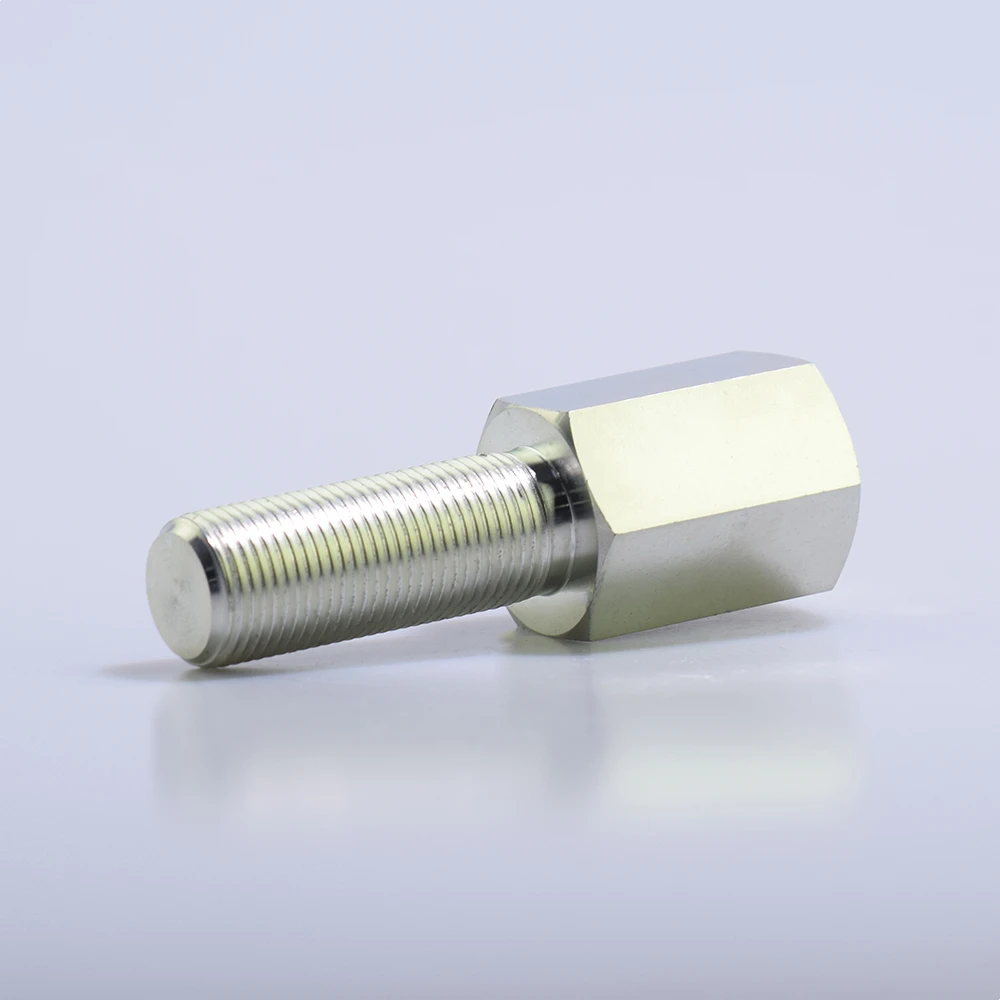
Zinc-plated steel parts
After machining or fabrication, a carbon-steel or chromoly component can be sent for the zinc finish specified for the application. Threads, bores, edges and masking requirements are reviewed before release.
Zinc plating and hard chrome plating solve different problems. Zinc is used for corrosion protection on steel hardware and fabricated components; hard chrome is used where a hard, low-friction surface is needed on a working component such as a bearing ball. We specify the finish for the substrate, function and fit, then arrange the external process per order.
Plating deposits a metal layer onto the surface of a different substrate, usually through an electrochemical process. The deposited layer changes the surface behaviour without changing the material of the component underneath.
Zinc plating is primarily a corrosion-protection finish for steel. Hard chrome plating provides a harder, wear-resistant and low-friction surface where the working interface needs it. Black oxide is different again: it is a conversion coating that changes the surface of the steel rather than depositing a conventional plated layer.
Plating is not just a colour selection. Coating thickness, edges, threads, bores and mating surfaces all have to be considered because the added layer can affect fit, torque, clearance and the final measured dimension.
| Finish | Primary purpose | Typical location | Fit implication |
|---|---|---|---|
| Zinc plating | Corrosion protection and a consistent finished appearance | Steel hardware, adjusters, clamps and fabricated components | Specify thickness and mask or allow for threads and mating surfaces |
| Hard chrome plating | Hardness, wear resistance and lower sliding friction | Bearing balls or other defined working surfaces | Thickness is functional; final size and finish must be controlled |
| Black oxide | Conversion coating, light corrosion support and appearance | Chromoly bodies, steel fittings and close-fit parts | Usually a different dimensional effect from plated thickness, but still confirm fit |
After machining or fabrication, a carbon-steel or chromoly component can be sent for the zinc finish specified for the application. Threads, bores, edges and masking requirements are reviewed before release.
Selected ball and rod end specifications identify hard chrome plating on the bearing surface. The finish, thickness and final fit are treated as functional requirements, separate from the body finish.
Zinc-plated nuts, adjusters, clamps and brackets resist the corrosion exposure expected in chassis and general outdoor assemblies.
Hard chrome can be specified on a bearing ball or other working surface where wear and low friction matter.
Steel, 4130 chromoly and aluminium may use different finish families for the same functional component, depending on fit and environment.
Plating thickness is included in the dimensional review so threads, bores and mating surfaces remain usable after finishing.

The product specification calls out optional black zinc plating on the 4130 chromoly or carbon-steel body for exposed structural use.

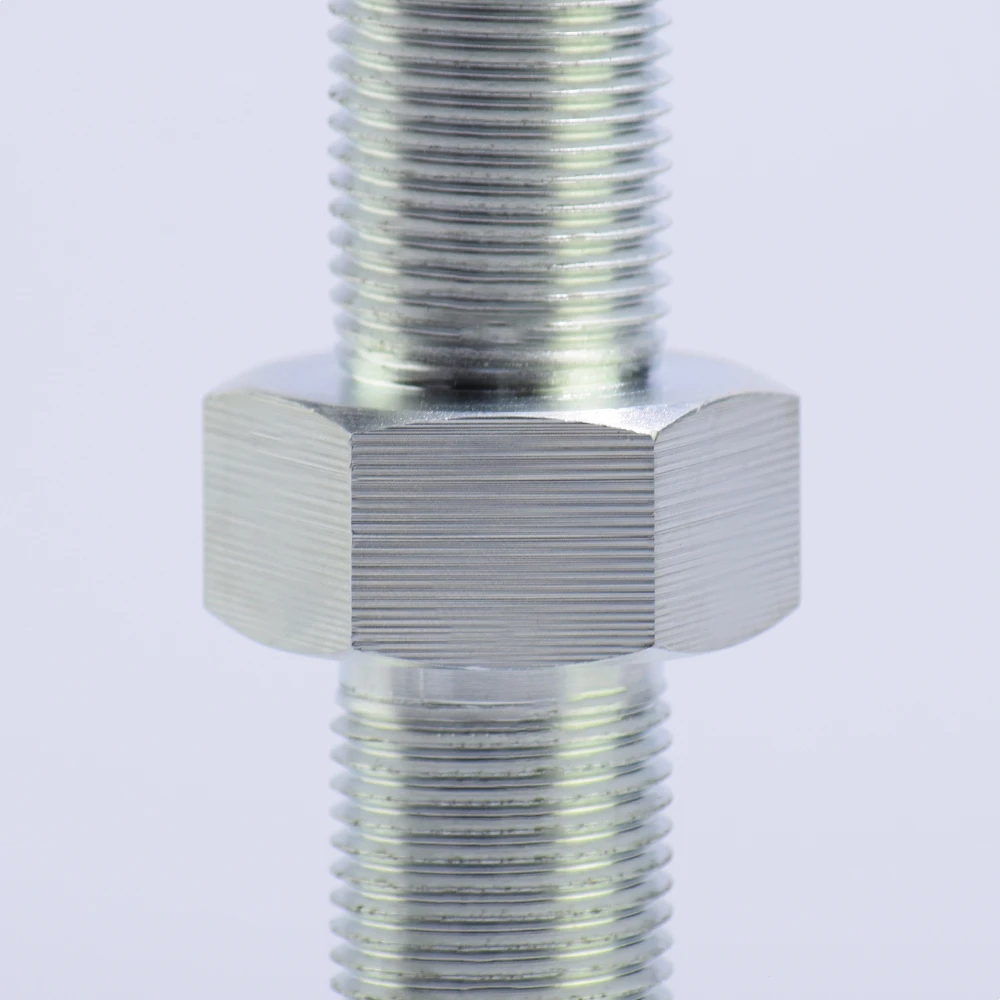
Carbon steel with a silver zinc-plated finish, providing corrosion protection on an exposed threaded adjuster.

A zinc-plated steel lock nut example where corrosion protection is part of a simple, repeatable hardware finish.

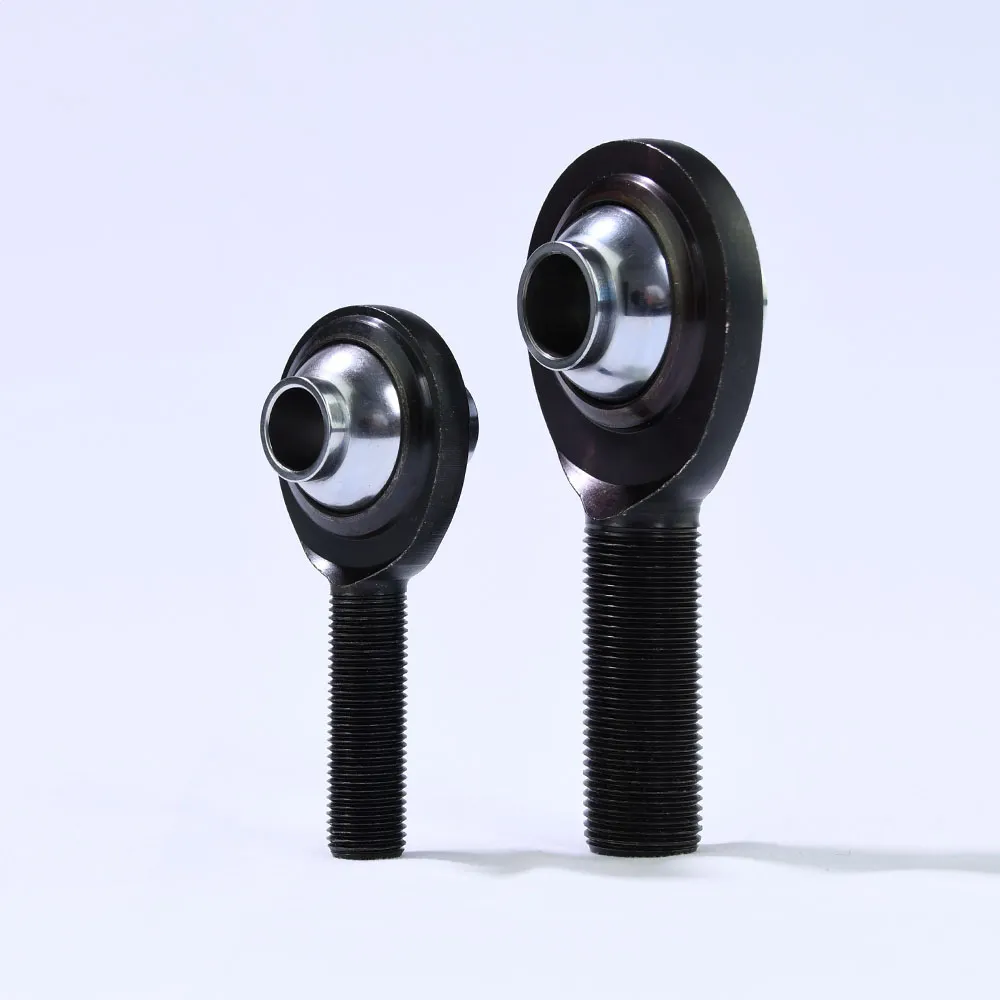
The 4130 chromoly body is heat treated and black oxide coated, while the 52100 bearing-steel ball is separately hard chrome plated.

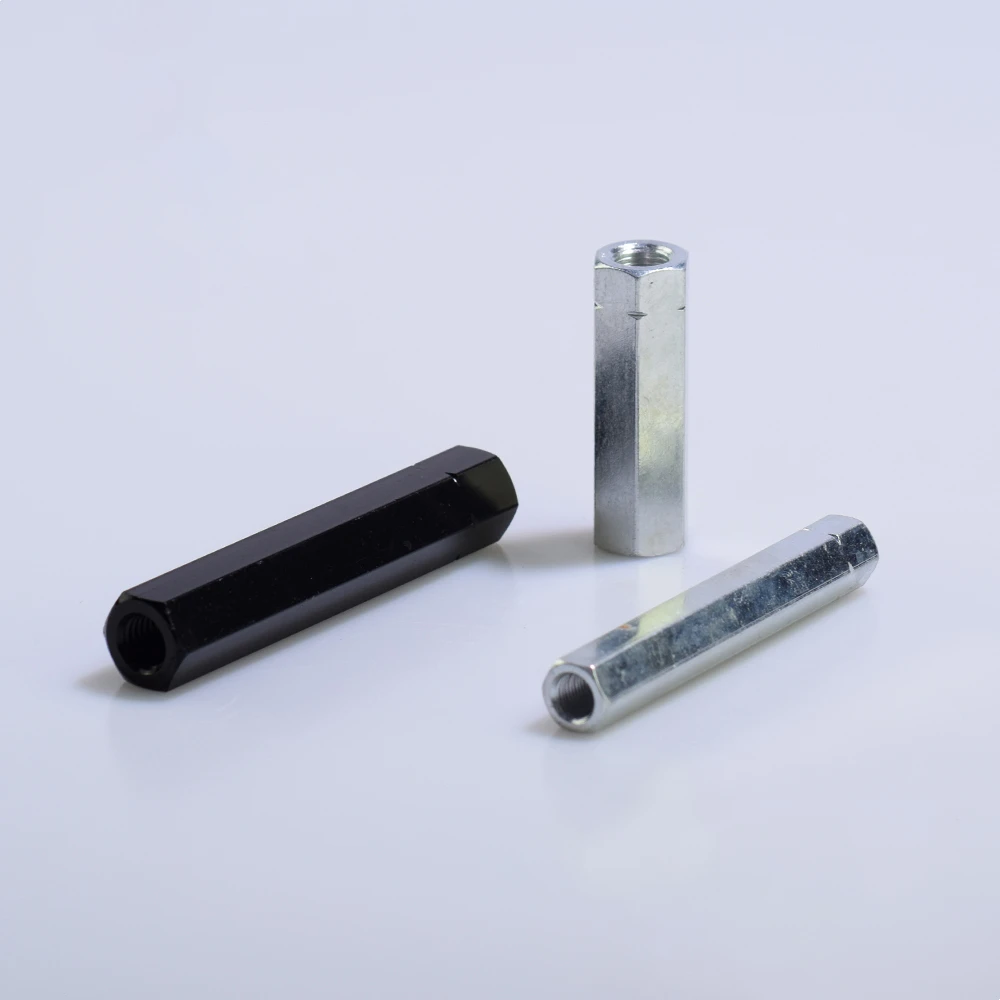
The family shows the material/finish decision directly: zinc-plated carbon steel, zinc-plated 4130 chromoly and black anodized aluminium variants.

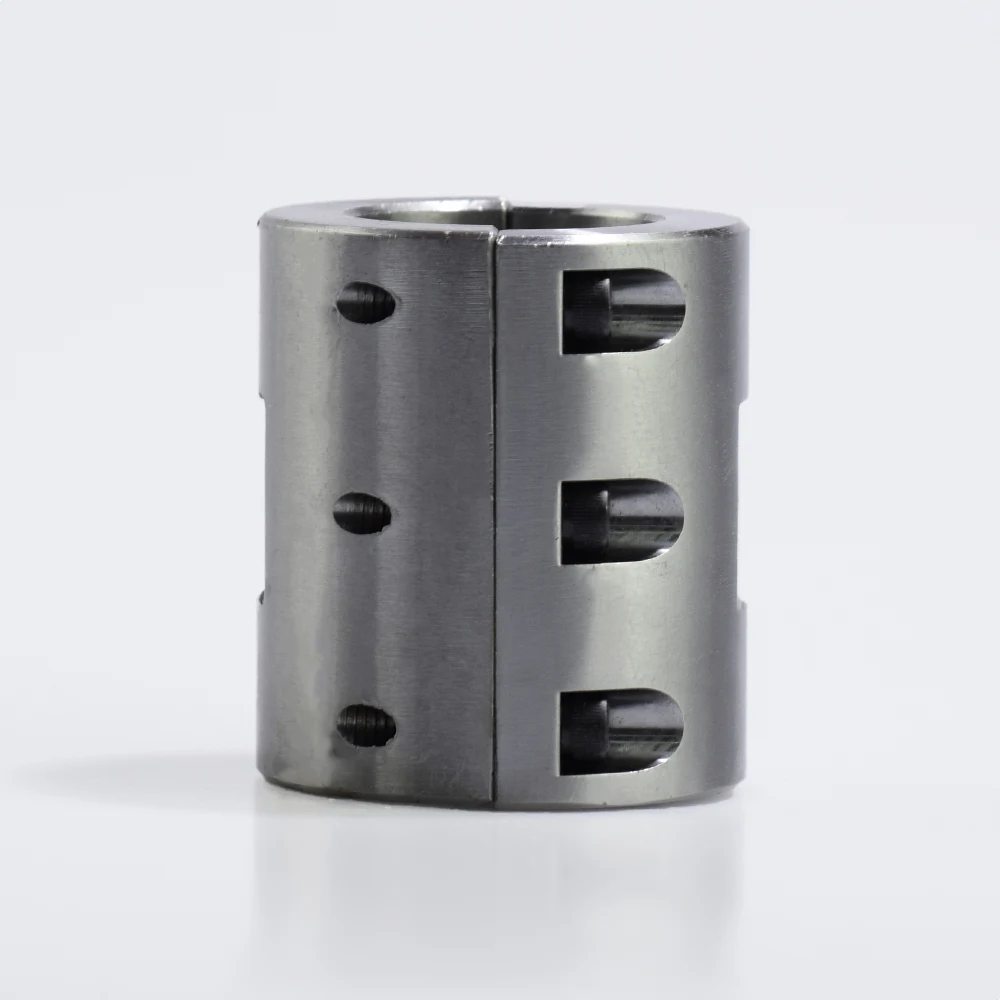
Available in zinc-plated or black-oxide finish variants depending on corrosion protection and fit requirements.
Need a finish that must preserve a thread, bore or bearing fit? Send us the drawing and finish requirement.
Plating is controlled as a surface and dimensional operation. The exact certificate, thickness and test package is agreed for the part and order.
The required plating type, base material, appearance and areas to mask are checked before the external process is released.
Threads, bores, bearing fits and mating surfaces are reviewed with the plating thickness included in the final-size requirement.
Visual condition and agreed dimensional checks are performed when finished parts return to the applicable production route.
Final inspection follows the product and order plan; process certificates or additional tests are included only when confirmed for that order.
Decide whether the part needs corrosion protection, a hard working surface or a conversion coating before selecting the visual finish.
Plating can change the fit of a thread, bore or mating surface. Define the finished dimension and the areas that must be masked.
Heat treatment, grinding and plating may interact. The process sequence is confirmed from the material and functional surfaces.
No. Plating is arranged through external partners to the finish, fit and inspection requirements agreed for the order.
Zinc is primarily a corrosion-protection finish for steel. Hard chrome is selected for a harder, wear-resistant and lower-friction working surface such as a bearing ball.
No. Black oxide is a conversion coating that changes the steel surface; it does not deposit the same type of plated metal layer as zinc or hard chrome.
Yes, but the thread fit and added thickness must be considered. Masking, allowance and final inspection are defined from the drawing.
Selected product specifications document hard chrome plating on bearing balls. The required thickness, finish and final fit are confirmed for the actual order.
Available reports and tests are confirmed per order. We do not present a blanket certificate package for every externally plated component.
Send the drawing, substrate, finish type, appearance, thickness or corrosion requirement, areas to mask and the final fit tolerance.
Tell us the substrate, environment, working surface and final fit. We will review the appropriate plating route and order-specific checks.