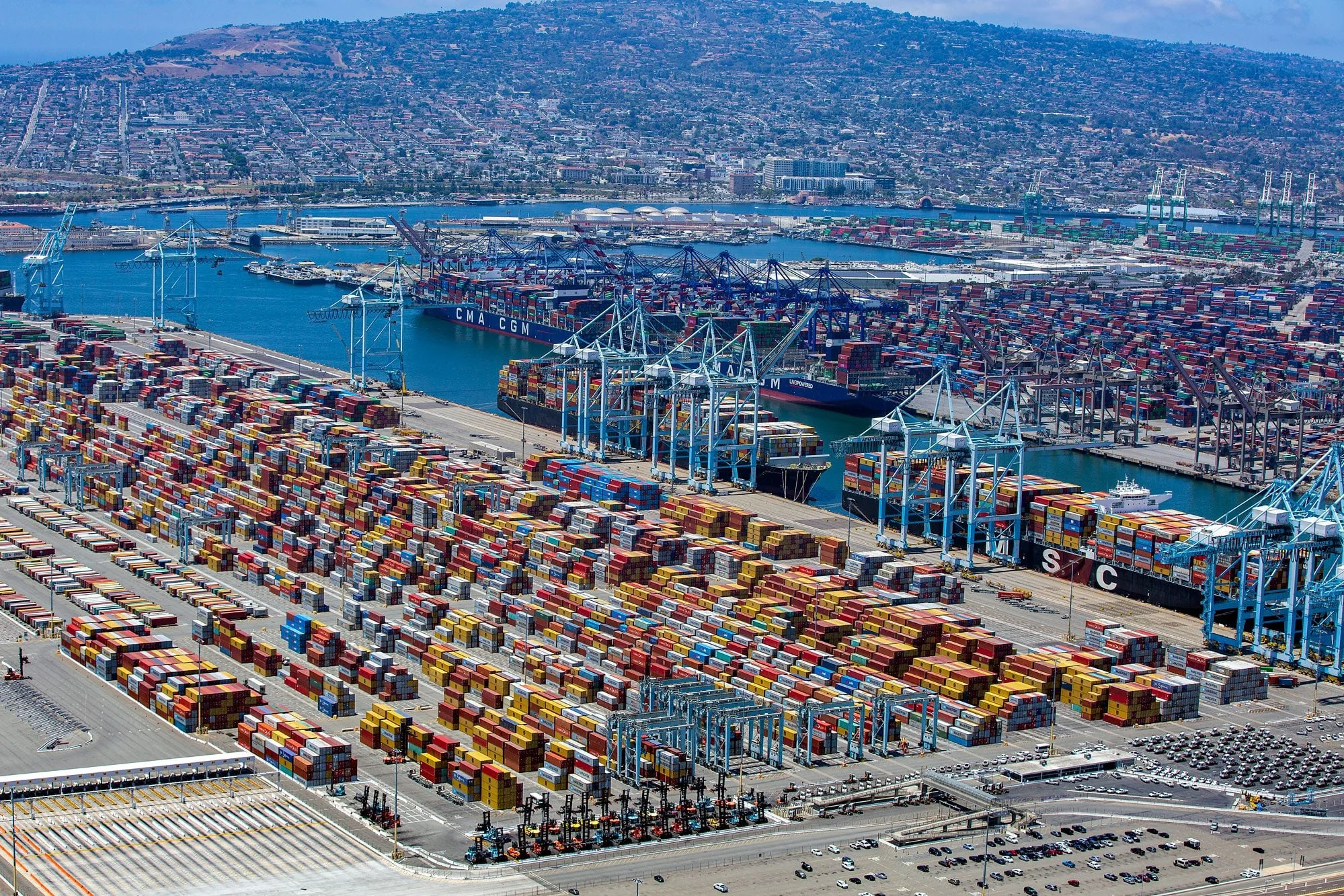
Executive Summary: A dramatic week across global industrial markets. The U.S. reinstated broad Section 301 tariffs on 60 trading partners, setting off a wave of legal challenges and leaving Mexico shielded under USMCA while Washington pushed for steel tariff alignment against China. In the Red Sea, Houthi missile attacks and subsequent U.S. strikes on Iran deepened shipping disruptions, driving crude prices higher and threatening a second major chokepoint. Rare‑earth supply developments expanded on four continents as China tightened export controls on Europe. The electrification and AI boom continued to pull infrastructure spending to record highs, with Google drawing on cash reserves and borrowing to fund capacity. Meanwhile, collaborative robot orders surged 55.6% in Q1, Ford and Geely struck a European manufacturing alliance, and right‑to‑repair victories for farmers signaled a shift in the aftermarket landscape. The following analysis connects these storylines for component buyers, engineers, distributors, and manufacturers.
Trade Policy Upheaval: Sweeping Section 301 Tariffs and Legal Challenges

On July 24, the Trump administration reinstated broad‑based tariffs on imports from 60 trading partners under Section 301 of the Trade Act of 1974, citing forced‑labor enforcement failures. The levies, which cover virtually all of U.S. imports, include double‑digit rates on nations accounting for 99% of inbound goods. The move marks a significant expansion of tariff policy that will reshape input costs and sourcing strategies for industrial manufacturers and component buyers globally.
Small businesses were quick to respond. Two lawsuits filed in federal court challenge the legality of using Section 301 to impose de facto universal tariffs, with the Liberty Justice Center arguing the statute does not authorize taxation on “substantially all imports from substantially all countries.” This legal push follows years of narrower tariff disputes and adds a new layer of uncertainty for supply‑chain planners who had already begun frontloading shipments in anticipation.
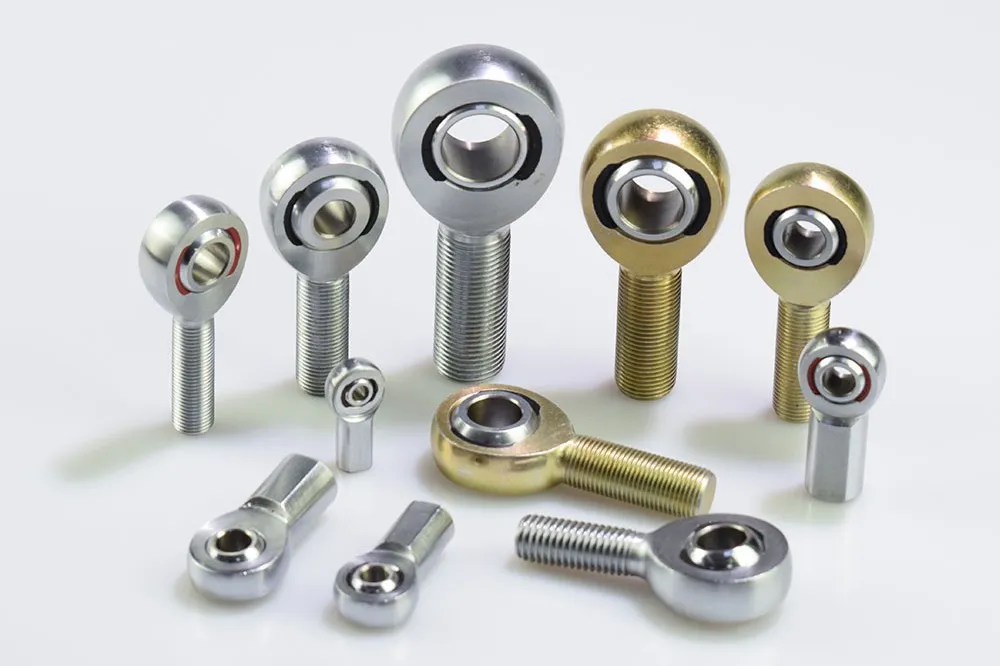
Mexico received a carve‑out. Because the United States‑Mexico‑Canada Agreement (USMCA) bars most new tariffs among the three signatories, Mexico announced it would not retaliate and would remain shielded. However, Washington is simultaneously pressing Mexico to mirror its steel tariff wall aimed at China, a demand that could complicate North American integrated supply chains that rely on steel from multiple sources. For manufacturers sourcing rod‑end bearings, precision shafts, and other metal components, the combination of broad tariffs and shifting rules of origin will demand careful monitoring of landed costs and documentation requirements.
Red Sea Crisis Reshapes Shipping and Energy Markets

A sharp escalation in the Middle East has turned the Red Sea into an active conflict zone for commercial shipping. Houthi forces, reinforced by Iranian IRGC commanders and missile equipment flown into Yemen earlier this month, launched attacks on tankers and vessels near the Bab el‑Mandeb strait. Retaliatory U.S. strikes reached deep into Iranian territory, including the Caspian coast, after President Trump vowed “major military punishment.”
The immediate effect on industrial logistics is significant. Crude oil prices rallied on the dual disruption of the Strait of Hormuz and Bab el‑Mandeb, with analysts warning that $100‑per‑barrel oil is a near‑term possibility. Saudi Arabia’s emergency alerts and the brief shutdown of Kazakhstan’s main export route further tightened supply. Container shipping, already strained by re‑routings away from the region, saw the Drewry World Container Index decline for a second consecutive week, but that index may be masking higher insurance premiums and demurrage costs that are flowing through to freight rates on specific corridors.
For industrial component buyers in North America and Europe, longer lead times and increased logistics costs for goods transiting from Asia to the Mediterranean and beyond are likely. Some importers had frontloaded shipments earlier this year in anticipation of tariff actions; that inventory may now prove doubly valuable as ocean freight reliability deteriorates. ADNOC’s issuance of its seventh crude tender since June underscores that some suppliers are still willing to move product despite the risks, but the situation remains volatile.
Rare Earths and Materials: New Supply Moves Amid China’s Leverage

Rare‑earth elements – critical to permanent magnets used in electric motors, wind turbines, and advanced automation – saw a flurry of supply‑side developments this week. China wielded its dominant market position by imposing new export controls on rare earths to Europe, a move that could accelerate Western efforts to diversify away from Chinese processing. Against that backdrop, several projects advanced.
Japan’s Agency for Marine‑Earth Science and Technology confirmed the presence of a large share of rare earths in deep‑sea mud off a remote island, analyzing 50 tons of sediment collected in February 2026. While deep‑sea mining remains technologically and economically challenging, the discovery adds to the inventory of known non‑Chinese resources. In Greenland, Dalaroo Metals reported thick rare‑earth intercepts at its Blue Lagoon project, and in the United States, Idaho Strategies found large intercepts of heavy rare earths including yttrium. Sweden’s ongoing efforts to catalogue entire mineral deposits for co‑extraction of rare earths also gained attention, with researchers working on magnet development from domestic feedstocks.
In India, Canadian climate‑tech developer Enervoxa announced plans for a processing plant to extract rare earths from a waste byproduct of aluminum production, with potential partnerships with Vedanta, Hindalco, and state‑run NALCO. This aligns with India’s broader ambition to become a mining and construction equipment manufacturing hub. Meanwhile, Indonesia’s metal exports face new disruptions from rare‑earth checks, and China’s aluminum billet processing fees pulled back near production cost lines, signaling tight margins in the aluminum supply chain.
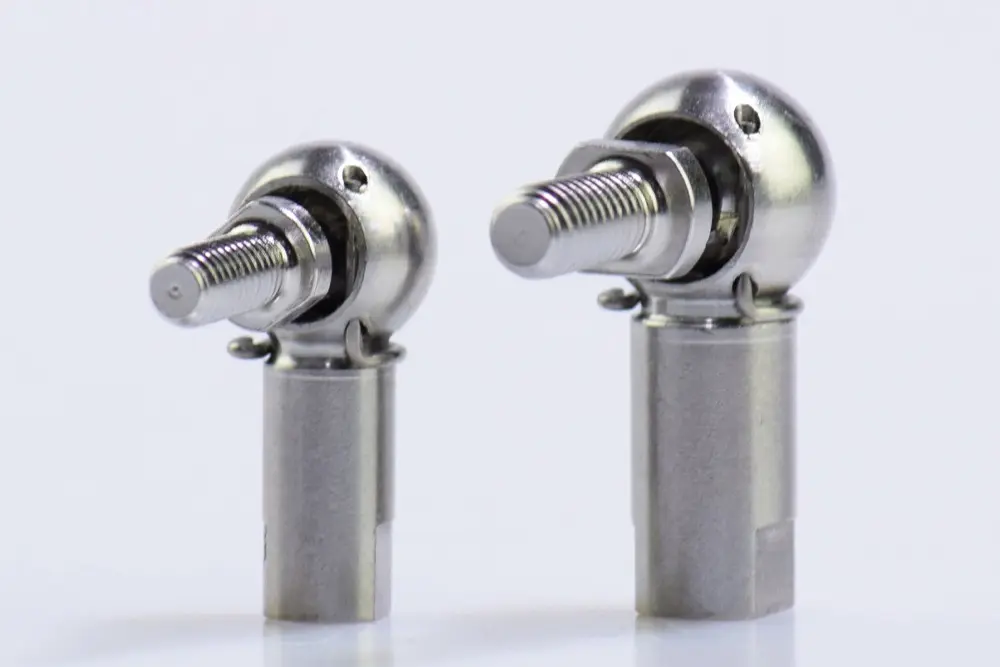
For manufacturers of ball joints, rod ends, and other motion‑control components that depend on specialty steels and alloys, the rare‑earth scramble matters indirectly: it affects magnet costs for electric motors in automation and off‑highway equipment, and the broader metals price environment remains tied to geopolitical tensions over these strategic materials.
Electrification and AI Drive Infrastructure Spending to Record Levels

The infrastructure spending cycle driven by electrification and artificial intelligence continues to accelerate. Utilities are set to spend $1.1 trillion on grid infrastructure over the next five years as rising electricity demand from AI data centers and electric vehicles forces a once‑in‑a‑generation buildout. New Mexico State University landed $31.2 million to modernize its electric grid research facility, while the U.S. is pushing small modular nuclear reactors in Southeast Asia alongside LNG and critical‑minerals investments.
The tech sector’s own infrastructure appetite is staggering. Alphabet reported negative free cash flow of $5.85 billion in Q2, drawing on its balance sheet and borrowing to fund AI infrastructure expansion. OpenAI outlined a $750 billion infrastructure spending spree. IBM cut its annual revenue growth forecast as customers prioritized AI infrastructure over traditional IT. These investments are not just digital: they translate into physical data centers, power distribution equipment, cooling systems, and ultimately demand for industrial components from electrical connectors to structural bearings.
In the wind energy sector, China’s Zhenshi plans to manufacture wind turbine components in Cádiz, Spain, and a European project launched to improve manufacturing of wind turbine components. These moves are part of a broader push to localize clean‑energy supply chains and reduce dependence on any single region. For component suppliers serving the energy and heavy equipment sectors, the infrastructure wave is creating sustained demand across geographies.
Automation Surge: Cobots, AI, and the Next Industrial Workforce
Collaborative robot orders surged 55.6% in Q1 2026 compared to the prior year, according to MarketScale, as automation demand shifted further away from traditional automotive OEMs toward general industry, logistics, and electronics. This growth is part of a broader industrial automation forecast projecting 6–9% annual growth through 2030.
At the World Artificial Intelligence Conference (WAIC) in Shanghai, Shanghai Electric showcased a matrix of humanoid robots with 41 degrees of freedom and pipe‑inspection robots with ±1mm positioning accuracy, alongside 51 industrial‑grade AI agents. These systems are moving from lab concepts to factory floors, with immediate implications for how assembly, inspection, and material handling tasks are performed.
The startup ecosystem is also attracting massive capital. Uber co‑founder Travis Kalanick’s industrial automation startup Atoms closed a $1.7 billion funding round led by Andreessen Horowitz, signaling investor confidence that manufacturing and logistics will be the next frontier for automation. Meanwhile, ARBOR Technology launched a new COM‑HPC AI module powered by AMD Ryzen AI Embedded X100 processors, targeting robotics and industrial automation, and Hackster.io reported on the FalconS1 Pro bringing fast local edge AI to industrial environments.
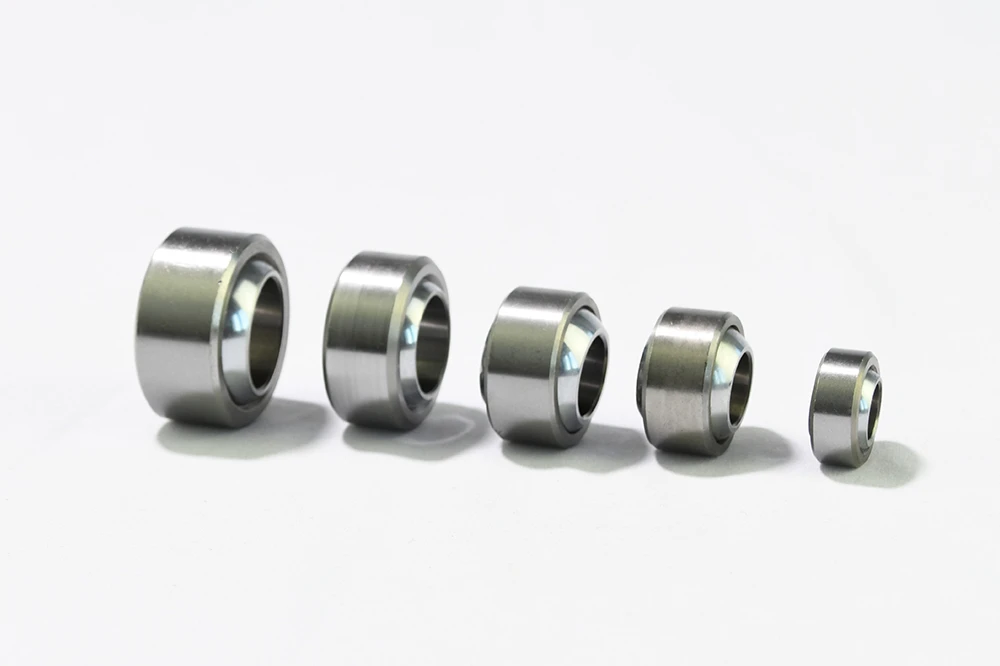
For distributors of mechanical components, the rise of cobots and smart factories means more articulated joints, linear guides, and sensor‑ready linkages. The human‑machine interface in modern manufacturing is creating demand for high‑precision, durable rod ends and spherical bearings that can operate reliably in increasingly automated, data‑rich environments.
Regional Manufacturing Shifts: Nearshoring, Alliances, and PMI Signals

Manufacturing footprints continued to evolve across continents. Ford and China’s Geely struck a deal to build an electric crossover at Ford’s underutilized plant in Valencia, Spain, part of a broader alliance that also includes a new Bronco model. The arrangement highlights how Western automakers are collaborating with Chinese partners to share platforms and manage the EV cost war in Europe, while injecting new life into European assembly lines.
Nearshoring momentum is spreading beyond North America. Bulgaria is emerging as a favored destination for German manufacturers seeking shorter, more secure supply chains, according to Xpert Digital, while Mexico’s investment story remains anchored by the nearshoring wave, with companies such as FEMSA building out infrastructure to support the relocated production. In the United States, Reliance Steel & Aluminum lauded reshoring investments, and CS PowerTech opened a HJT solar cell plant in Indiana with more than 1,200 employees, directly supporting U.S. supply‑chain resilience.
Purchasing managers’ indices painted a mixed but generally resilient picture. Germany’s flash manufacturing PMI unexpectedly jumped to 52.2 from a forecast of 50.1, while the UK manufacturing PMI hit a 22‑month high, snapping a two‑month private‑sector slump. In the U.S., the S&P flash manufacturing PMI came in at 53.8, just below expectations but still expansionary. Taiwan’s industrial production hit a new high in June on strong AI demand, reinforcing the link between electronics manufacturing and broader factory output.
India’s private‑sector growth slowed in July to its weakest pace since March 2022, but the country’s long‑term ambition to become a global mining and construction equipment manufacturing hub remains intact, supported by a report cited by MorungExpress. A right‑to‑repair framework for vehicle owners is also being studied by India’s government, potentially opening new aftermarket opportunities for component suppliers.
Right to Repair Gains Momentum, Impacting Aftermarket Ecosystem
The right‑to‑repair movement achieved a landmark win this week as the U.S. Federal Trade Commission reached a settlement with John Deere that expands farmers’ ability to repair their own equipment. The settlement was praised by agricultural groups in Oklahoma, Minnesota, and Missouri, with the NFIB calling for further expansion. A separate memorandum from President Trump signaled a broader federal push on right‑to‑repair principles, though questions remain about how it will be implemented for automotive and other sectors.
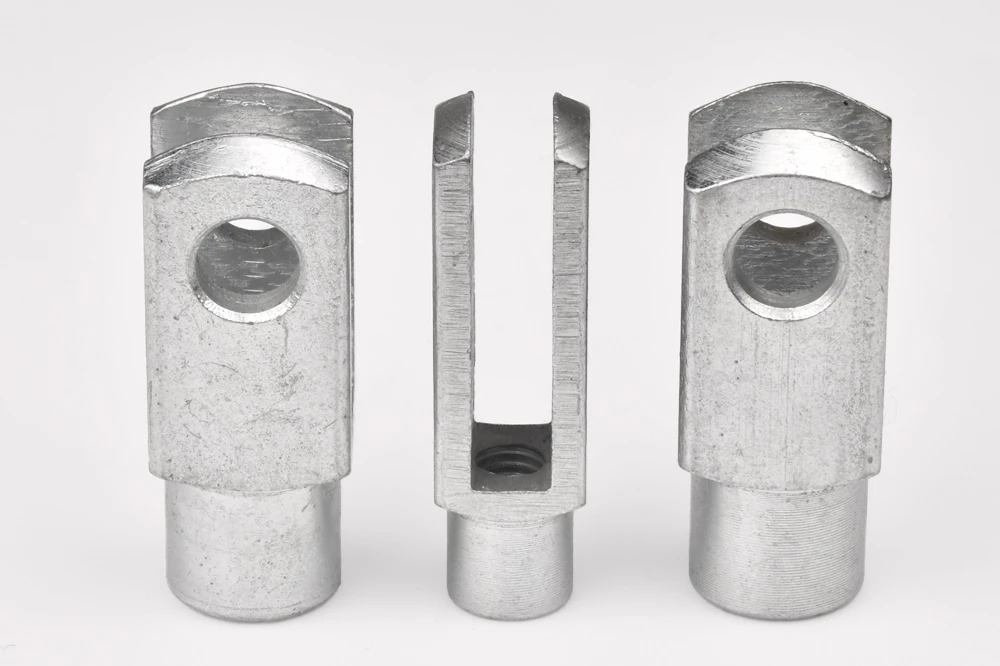
The implications for the industrial components aftermarket are significant. When farmers and independent repair shops gain access to diagnostic software, service manuals, and replacement parts without going through OEM‑controlled channels, demand for generic and third‑party components – including rod ends, spherical bearings, and hydraulic fittings – often increases. This can reshape distribution networks, with more emphasis on open catalogs and cross‑reference availability.
In parallel, the EU demonstrated its commitment to product integrity by fining AliExpress €550 million for failing to police illegal and counterfeit goods, the largest‑ever penalty under the Digital Services Act. While focused on consumer e‑commerce, the fine sends a signal to the broader marketplace that counterfeit industrial components face growing enforcement risk, a development that benefits legitimate manufacturers and distributors who invest in quality and traceability.
Sources
- Reuters – Canada’s Enervoxa plans India rare earths project, may tie up with Vedanta, NALCO
- The New York Times – China Wields Its Rare‑Earths Leverage Over Europe With Export Controls
- The Atlanta Journal‑Constitution – A forced‑labor crackdown or an end‑run around Congress? Dissecting Trump’s new tariffs
- gCaptain – Tariff‑Driven Frontloading Pays Off as Trump Reinstates Global Import Duties
- Aztec Reports – USMCA shields Mexico from Trump’s new tariffs, says it will not retaliate
- Bloomberg – US Presses Mexico to Mirror Its Steel Tariff Wall Aimed at China
- Al‑Monitor – US strikes Iran from south to north after Trump threats over Red Sea shipping
- Benzinga – Saudi‑Led Coalition Strikes Houthi Targets In Response to Militia Attacks; Energy Markets Brace for Volatility
- Container News – Drewry World Container Index declines for second consecutive week
- OilPrice – Why the Latest Oil Rally May Be Far From Over
- MarketScale – Cobot orders surged 55.6% in Q1 2026 as automation demand shifts away from automotive OEMs
- MarketScale – Industrial automation forecast: 6‑9% growth through 2030
- AOL / Autoweek – Ford, Geely Strike European Manufacturing Deal
- CNBC – S&P Flash U.S. Manufacturing PMI comes in at 53.8 for July
- FXStreet – Germany’s flash Manufacturing PMI unexpectedly rises strongly to 52.2 vs. 50.1 estimates
- Tech Times – UK Manufacturing PMI Hits 22‑Month High as Private Sector Snaps Two‑Month Slump
- KOSU / Agweek – Oklahoma agriculture leaders praise FTC ‘right to repair’ settlement with John Deere
- ZeroHedge / The Epoch Times – Trump’s Taking On ‘Right To Repair’: What Does It Mean?