
Executive Summary
Geopolitical and policy shifts are jolting industrial supply networks this week. Saudi Arabia is building an international naval coalition to safeguard Red Sea transit just as container rates slide for a third week and carriers prepare August rate hikes. On the regulatory front, landmark right‑to‑repair settlements and new EU rules promise to remake equipment aftermarkets, while trade policy uncertainty sharpens with the lapsing US‑Mexico‑Canada Agreement and fresh Section 301 tariffs hitting 60 trading partners. Materials markets are equally turbulent: rare‑earth supply chains are diversifying, copper prices are spiking on Chilean mine disruptions, and steel remains mired at 15‑year lows. Simultaneously, AI infrastructure spending is reaching historic highs, driving demand for power equipment and automation, while factory‑floor technology leaps forward with wireless connectivity and predictive maintenance. Global manufacturing readings are mixed — China’s factory output contracts unexpectedly, Japan edges higher, and near‑shoring gathers pace. Off‑highway and powersports demand stand out as bright spots, with recreational vehicle revenue soaring and e‑bike sales hitting new milestones. For component buyers, engineers and distributors, these converging forces will reshape lead times, cost structures, and sourcing strategies well into the second half of 2026.
Red Sea Security Crisis and Container Rate Swings Test Supply Chains

Saudi Arabia is leading efforts to assemble an international maritime coalition aimed at protecting commercial vessels transiting the Red Sea from Houthi attacks, Reuters reported this week, citing two people familiar with the deliberations. The move comes as Yemen’s Houthis denied plans to impose transit fees on shipping — a prospect that had briefly rattled freight markets — but the security environment remains deeply uncertain. (Al Jazeera, The New York Times, Al-Monitor)
Meanwhile, container freight rates continue to ease. The Drewry World Container Index fell for the third consecutive week, and carriers have been trimming spot prices even as they attempt to push through general rate increases in August. (Drewry/container-news.com, Global Trade Magazine) The juxtaposition of lower nominal rates with rising geopolitical risk is forcing logistics managers to weigh cost against supply‑chain resilience. Any escalation that restricts Red Sea traffic would force vessels to divert around the Cape of Good Hope, adding 10‑14 days to Asia‑Europe and Asia‑U.S. East Coast loops and absorbing significant fleet capacity. For component buyers, especially those depending on just‑in‑time deliveries of motion components, fasteners or electromechanical assemblies from Asian suppliers, the prudent path is to re‑examine safety‑stock levels and evaluate alternative routing. Freight forwarders are already seeing renewed interest in intermodal and air‑freight options for time‑critical parts.
Right to Repair Regulations Upend Aftermarket Strategies

Two landmark events this week are reshaping how industrial and agricultural equipment can be serviced. In the United States, Deere & Company settled a long‑running right‑to‑repair case with the Federal Trade Commission, agreeing to provide farmers and independent repair shops with access to diagnostic tools, software, and repair manuals previously restricted to authorized dealers. (Farm Progress, Agweek, NFIB) On the same day, July 31, the European Union’s Right to Repair Directive entered into force, requiring manufacturers of products ranging from household appliances to certain industrial goods to offer repair services beyond the warranty period, make spare parts available for up to 10 years, and design products so that key components can be replaced with commonly available tools. (Engadget, European Commission, Gizchina)
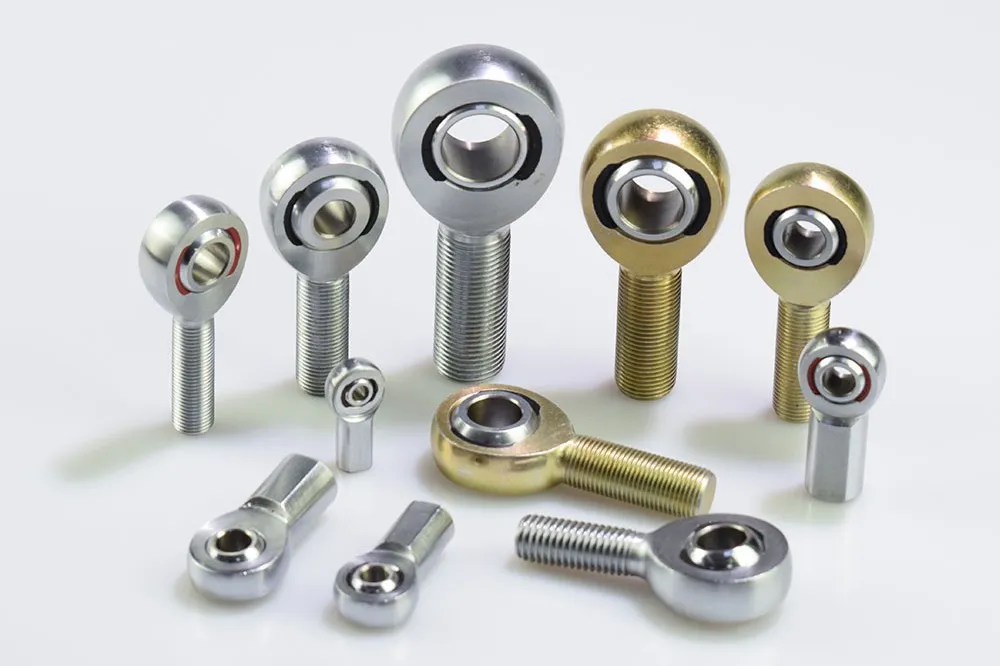
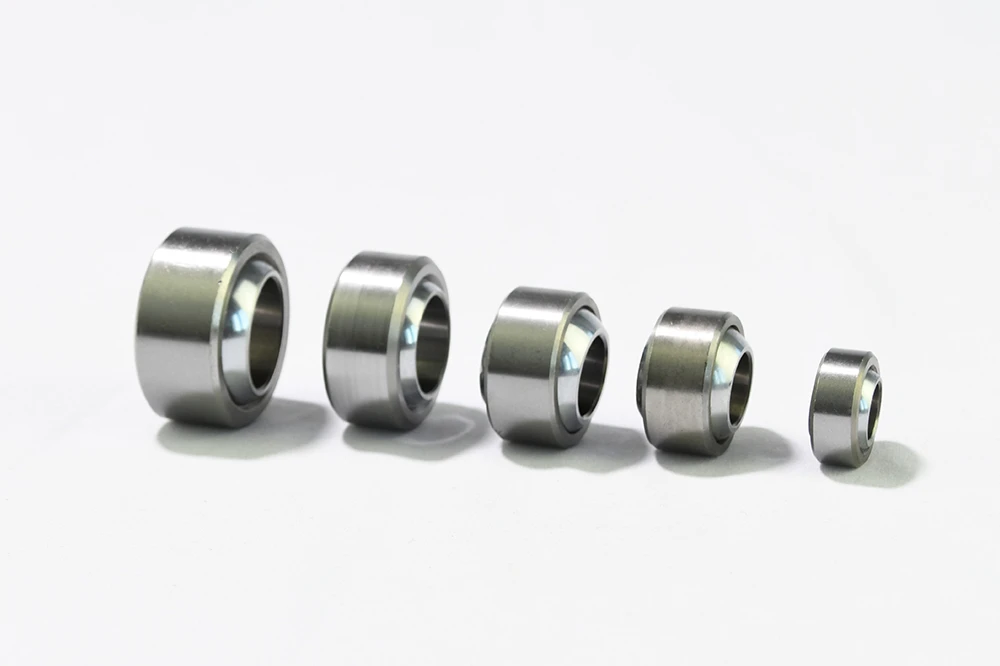
These twin developments will accelerate a shift already under way: the democratization of repair data. A sub‑$300 diagnostics tablet capable of “jailbreaking” modern vehicle software locks made headlines this week, underscoring how quickly aftermarket access barriers are crumbling. (New Atlas) For industrial manufacturers and distributors, the message is clear. Equipment designed with sealed, non‑serviceable joints or proprietary fasteners may face regulatory or market pushback. Conversely, the trend creates opportunities for component suppliers offering standardized, easily replaceable rod ends, spherical bearings, and linkage parts. Distributors can position themselves as trusted sources for maintenance kits and repair parts, while engineers will need to factor serviceability and parts‑commonality into new designs. As the EU directive also extends warranty coverage by 12 months when a consumer opts for repair over replacement, lifetime cost considerations will become even more central to purchasing decisions.
Trade Policy in Flux: USMCA Uncertainty and a New Tariff Wave

North American supply chains are confronting a heightened period of trade policy risk. The Trump administration has allowed the United States‑Mexico‑Canada Agreement to lapse, triggering a renewal negotiation that Ford CEO Jim Farley warned “must protect U.S. automakers” from what he described as unfair advantages enjoyed by Japanese and Korean rivals. (NPR, Houston Public Media, Biztoc/Simply Wall St) Texas businesses, deeply integrated with Mexican manufacturing, are navigating choppy waters, with border delays and inspection costs for grain and industrial shipments already a point of contention for the National Grain and Feed Association. (Brownfield Ag News, University of Texas at El Paso) The outcome of the USMCA review will affect rules of origin, labor provisions, and tariff treatment for thousands of parts — from stampings to advanced mechatronic assemblies — that cross North American borders multiple times during production.
Beyond North America, the U.S. trade posture is hardening. Section 301 tariffs have been expanded to cover 60 trading partners, with new duties now applying to 99.4% of all imports, including a preliminary affirmative countervailing duty determination on truck bed covers from China. (The Cryptonomist, Davis Wright Tremaine, Federal Register) The EU is simultaneously investigating imports of construction materials from the Balkans over suspected Chinese tariff evasion, while India and the EU are crafting a work plan under their free‑trade agreement to address small and medium enterprises’ concerns with the Carbon Border Adjustment Mechanism. (BusinessLine, dars.gov.et) Steel tariffs remain a wall, holding domestic prices at levels that support U.S. mills but keep input costs elevated for fabricators. (Construction & Demolition Recycling) For global component buyers, this patchwork of duties and regional trade frictions means sourcing strategies must become more dynamic. Parts that were cost‑competitive from one origin a month ago may now attract unexpected tariffs or face customs delays. Dual‑source strategies and regional stocking hubs are shifting from best‑practice to necessity.
Rare Earths Diversify, Copper Prices Spike, Steel Languishes

Rare‑earth supply chains are undergoing a structural realignment. A Bloomberg analysis argues that the “rare‑earths weapon” is losing its force as mine‑to‑magnet M&A accelerates and new ex‑China capacity comes online. (Bloomberg, Goldman Sachs) Japan announced this week that heavy rare earths dominate a seabed deposit near Minamitori Island — a find that could eventually reduce reliance on Chinese heavy rare earths critical for high‑performance magnets. (Natural News) Meanwhile, Kazakhstan’s billion‑dollar rare‑earths push is hitting familiar infrastructure and processing obstacles, while Uganda’s Ionic Rare Earths launched a strategic review of its project. (thenationalnews.com, Mining Weekly) These developments, together with the U.S. push to decouple its defense supply chain from Chinese rare earths, signal a gradual but significant diversification that over the medium term should moderate magnet material prices for motor and sensor manufacturers. However, the processing bottleneck remains: new mines do not equal new separation capacity overnight.
Copper is the week’s most volatile material. Deadly storms in Chile — the world’s largest copper producer — have disrupted mines, colliding with already tight global inventories and strong demand from AI‑driven power infrastructure. Prices have soared, and strategists warn that the U.S.‑China battle for supply could amplify the squeeze. (CNBC, EUROPE SAYS) For manufacturers of electrical connectors, busbars, and motor windings, this translates directly into higher input costs and potential allocation if the supply disruption persists.
Steel tells a different story: global prices remain at 15‑year lows, according to Tata Steel’s managing director, despite cost pressures. (BusinessLine/The Hindu) While this benefits structural fabricators and heavy equipment makers, it also reflects tepid global demand outside of a few pockets such as India. Component buyers who source steel‑intensive parts can still find favorable pricing, but should watch for mill curtailments that could tighten supply later in the year.
AI Infrastructure Spending Boom Reshapes Component Demand
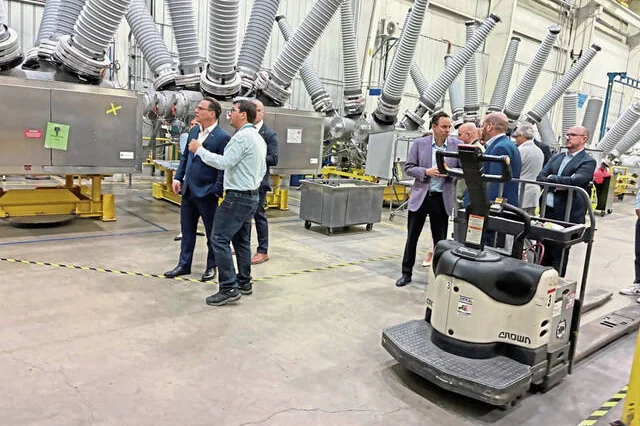
The scale of investment flowing into AI data centers is reshaping industrial demand across the electrical and mechanical supply chain. Amazon raised its 2026 AI capital expenditure forecast to $220 billion, yet remains “capacity‑constrained,” while Microsoft boosted quarterly spending to $41 billion, driving Azure revenue growth of 43%. (Data Center Knowledge/Financial Times, 4sysops, Yahoo Finance) Alliant Energy reaffirmed its 2026 outlook, explicitly citing data‑center expansion as a long‑term demand driver. (Yahoo Entertainment) On the manufacturing front, Pennsylvania committed $6 million to support GE Vernova’s $166 million investment in building critical electrical components — transformers, switchgear, and grid interconnection hardware — specifically for data centers. (Pittsburgh Tribune‑Review)
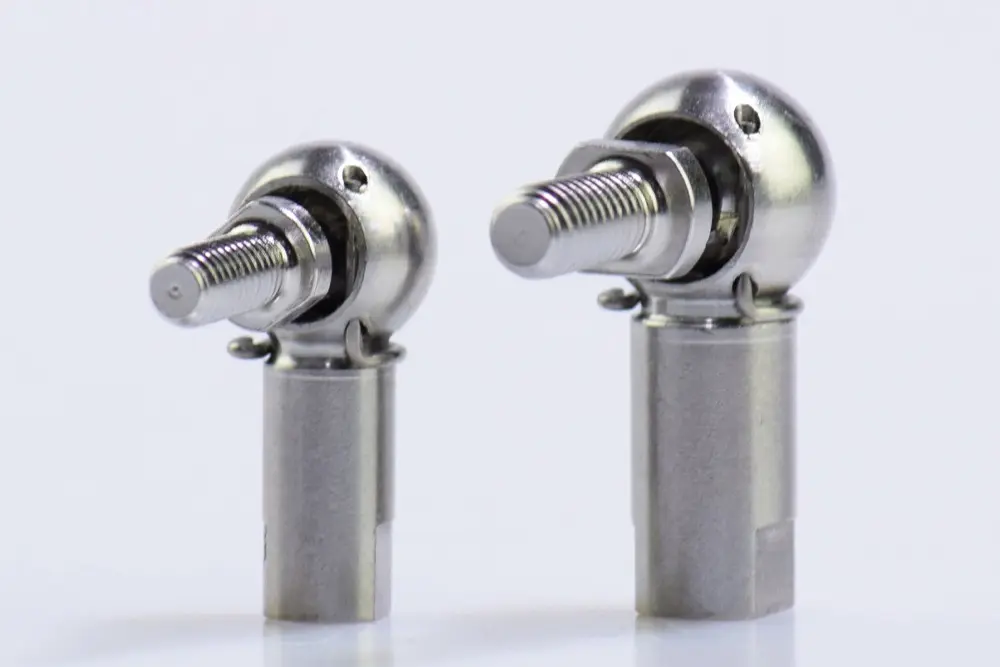
This wave of infrastructure spending flows far beyond server racks. Every new hyperscale data center requires thousands of precision‑machined components: cable management systems that use rod ends and spherical bearings, cooling pump linkages, generator mounts, and seismic bracing assemblies. Electrical infrastructure buildout also pulls in bushing connectors, insulators, and structural supports that depend on high‑quality mechanical joints. For component distributors serving utility and electrical OEMs, the sustained capital cycle is a multi‑year tailwind. Engineers specifying components for data‑center‑adjacent gear should be aware that lead times for specialized electrical connectors and switchgear subcomponents are already stretching, and that dual‑source qualification is becoming a risk‑management priority.
Automation and Predictive Maintenance Accelerate on Factory Floors

Wireless connectivity is rapidly becoming the backbone of industrial automation. A new forecast predicts shipments of wireless devices for industrial automation will reach 8.5 million units by 2030, driven by the need for flexible, retrofittable sensor networks. (TyN Magazine) At the same time, KUKA announced it is deploying its Automation Management Platform across North American automakers, enabling central orchestration of robot fleets and real‑time condition monitoring. (The Robot Report) In end‑of‑line packaging, Rockwell Automation pick‑and‑place robots are hitting 240 cycles per minute at a Cranswick facility, illustrating how high‑speed articulated motion is becoming essential for food and consumer goods producers. (MarketScale)
Predictive maintenance is moving from pilot to production. DB Cargo is expanding its SherLok locomotive monitoring system to anticipate failures before they cause service interruptions, reducing unplanned downtime and maintenance cost. (Global Railway Review) Startups like MaintenEase are also commercializing failure‑prediction tools aimed at small and mid‑sized manufacturers. (Betalist) These trends have direct implications for the motion‑component ecosystem. As machines gain sensors and connectivity, customers increasingly expect bearings, rod ends, and linear guides to be “smart‑ready” — capable of being monitored for temperature, vibration, and wear. Proto Labs, a digital manufacturing service, reported record quarterly revenue driven partly by CNC machining and injection molding demand from automation projects, confirming that prototyping and short‑run production of custom brackets, housings, and linkages are rising in tandem. (Biztoc) Exco Technologies also posted record sales, reflecting broad‑based demand for tooling and component solutions. (MarketBeat) For engineers, the message is that designing for condition‑based monitoring is moving from optional to expected, and component suppliers who can offer integrated sensor‑bearing or self‑lubricating rod ends with health‑indicator coatings will gain preference.
Regional Manufacturing Pulse: China Contracts, Japan Edges Up, Near‑shoring Gains

China’s official manufacturing PMI fell to 49.2 in July, unexpectedly slipping into contraction territory and missing the 50.0 consensus forecast. (WSJ, Semafor, ChinaDaily) This softness was echoed by Vietnam Manufacturing and Export Processing, which issued a profit warning citing a net loss of approximately $1.5 million for the first half. (TradingView) The data reinforce the picture of a two‑speed Asia: Japan, by contrast, reported a 1.3% month‑on‑month rise in factory output for June, supported by automotive and electronics production. (Reuters)
Near‑shoring is accelerating across the Americas. Kia elected to manufacture its EV3 compact electric SUV in Mexico, bypassing potential tariff exposure, while Maersk tripled its West Coast Latin America shuttle service, betting on a sustained cargo surge from nearshoring. (CleanTechnica, Breakbulk.News) In Africa, Turkey is emerging as a competitive alternative to Chinese infrastructure financing, while experts caution that the continent’s infrastructure opportunity depends on closing a persistent execution gap. (SCMP, THISDAYLIVE, African Mining Online) Nigeria’s petroleum regulator also called for a West African fuel‑pricing benchmark, signaling a desire for greater regional autonomy over industrial input costs. (Punch, Vanguard) India’s manufacturing ambitions remain strong, but analysts warn that success will hinge on building industrial ecosystems rather than relying solely on mega‑investments; the Finance Ministry itself flagged AI and supply‑chain risks as requiring faster policy implementation. (businessworld.in, ETLegalWorld.com) For component buyers, these regional dynamics suggest diversifying supply bases away from a single country concentration. Mexico and Southeast Asia are maturing as alternatives for precision machining and assembly, while Africa’s long‑term demand for construction and agricultural equipment components is worth monitoring.
Off‑Highway and Powersports Demand Strengthens

Consumer and commercial off‑highway demand continues to be a bright spot. Sonic Automotive reported that its powersports segment revenue jumped 53% year‑over‑year, with adjusted EBITDA up 145%, reflecting robust appetite for side‑by‑sides, ATVs, and personal watercraft. (Pulse 2.0, Moby) The e‑bike market also hit new highs: Lectric eBikes surpassed $1 billion in cumulative sales and shipped its 750,000th e‑bike, while Juiced Bikes’ Scrambler model demonstrated the enduring popularity of moto‑style electric bikes. (Electrek) CoStar noted that construction activity is fueling off‑road vehicle sales, a trend that is reinforced by Caterpillar’s investment in hands‑on Road Builder Pro training programs to prepare operators for sustained project demand. (constructionequipment.com, CoStar) On the dealer consolidation front, Parish Tractor acquired Crain Tractor in Mississippi, extending its footprint in agriculture and construction equipment. (PRNewswire)
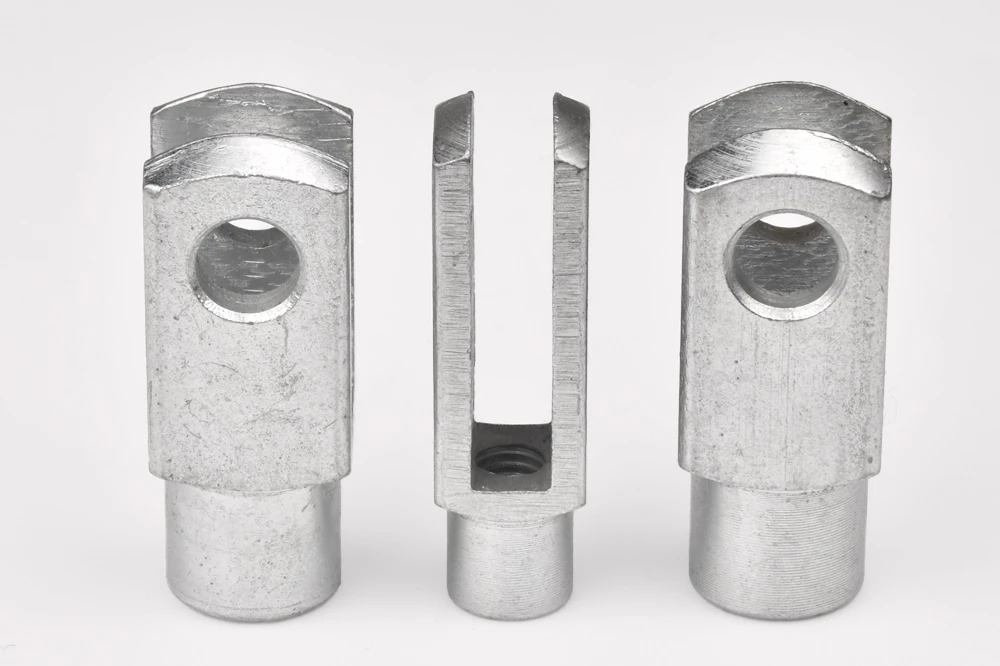
All of this translates into healthy order books for component manufacturers serving the powersports, construction, and agricultural equipment sectors. Rod ends, spherical bearings, and hydraulic cylinder linkages are integral to suspension systems, steering assemblies, and implement attachments. The surge in e‑bikes also drives demand for smaller‑form‑factor bearings, pivot hardware, and lightweight linkages. As recreational and light‑commercial off‑highway segments expand, component engineers and buyers should anticipate continued strong pull for catalog and custom motion components through the remainder of 2026.
Sources
- Reuters – Saudi Arabia seeks international coalition to protect Red Sea shipping from Houthis, sources say
- Al Jazeera – Yemen’s Houthis deny plan to charge ships transiting Red Sea
- container-news.com – Drewry World Container Index falls for third consecutive week
- Global Trade Magazine – Container Freight Rates Slip Again as Carriers Cut Prices Ahead of August Rate Hikes
- Farm Progress – John Deere settles right-to-repair case with FTC
- Engadget – The EU’s Right To Repair Directive Kicks In Today
- New Atlas – Sub-$300 diagnostics tablet jailbreaks modern vehicle software locks
- The Cryptonomist – Trump tariffs inflation impact: Section 301 duties hit 99.4% of imports
- NPR – Trump administration’s decision to let USMCA lapse threatens Texas economy
- CNBC – Deadly storms and a global supply squeeze are sending copper prices soaring
- Bloomberg – Why the Rare Earths Weapon Is Losing Its Force
- Data Center Knowledge – Amazon Lifts 2026 AI Capex to $220B, Still Capacity-Constrained
- Pittsburgh Tribune-Review – Pennsylvania spending $6M for GE Vernova to boost jobs, grid infrastructure
- TyN Magazine – Shipments of wireless devices in industrial automation to reach 8.5 million by 2030
- The Robot Report – KUKA deploys Automation Management Platform for North American automakers
- WSJ – China’s Factory Activity Gauge Unexpectedly Signals Contraction
- CleanTechnica – KIA Elects To Manufacture The EV3 In Mexico
- Pulse 2.0 – Sonic Automotive: Powersports Revenue Jumps 53% As Adjusted EBITDA Rises 145%