Executive Summary
Two forces moved in opposite directions this week. Washington and Beijing agreed to extend their trade truce into early 2027, unlocking tariff relief across a $30 billion basket of goods and easing pressure on importers. At the same time, traders began pricing in as many as four Federal Reserve rate hikes by mid-2027, pushing the dollar to an eight-week high and raising the cost of imported components, commodities, and capital equipment. Freight markets are tightening ahead of Golden Week, rare earth prices outside China keep climbing, and a wave of automation and reshoring investment — from SoftBank's $225 million bet on autonomous construction to Amazon's $100 million robotics plant — signals that manufacturers are still spending through the uncertainty. This week's briefing covers the trade reset, the currency squeeze, freight and port conditions, materials costs, automation investment, and the regulatory shifts reshaping repair and safety rules.
Trade Truce Extended, but the Fine Print Is Still Missing
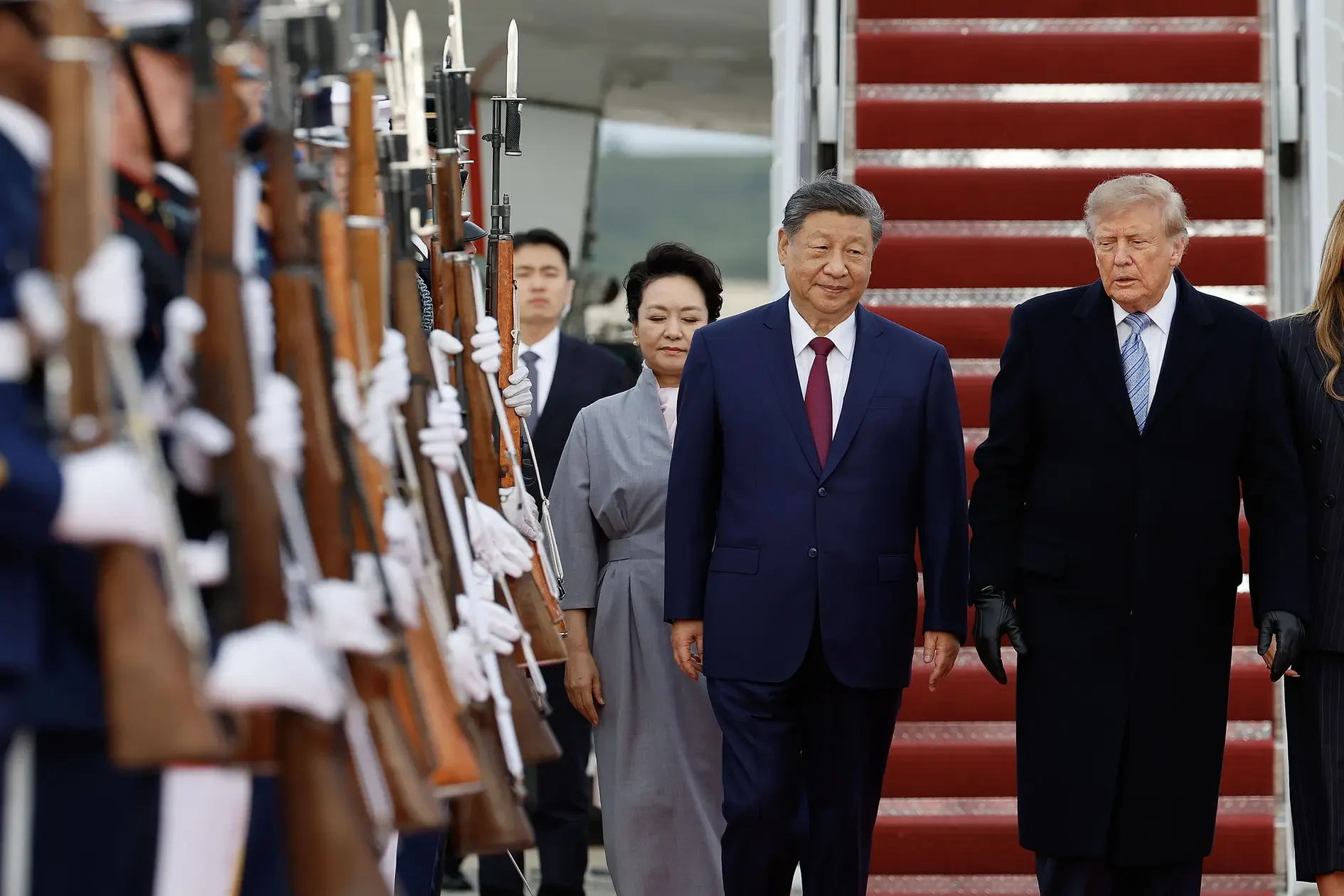
The most consequential development of the week was the agreement between President Trump and President Xi Jinping to maintain a trade truce until early 2027, following a summit in Washington that covered tariffs, rare earths, technology curbs, and fentanyl. The deal opens what analysts estimate could be a $30 billion trade window, with tariff relief extended to categories including toys, logs, and Korean advanced biopharmaceuticals. For industrial buyers, the immediate effect is a pause in escalation rather than a rollback — most existing duties remain in place, and the scope of relief is still being defined.
The ambiguity matters. Businesses awaiting the fine print face the same planning problem they have had for two years: they can model a tariff rate, but they cannot model a policy that might change again in six months. The truce does reduce the tail risk of a sharp escalation heading into 2027, which should support capital equipment orders that had been deferred. But it does not resolve the structural questions around rare earths, technology transfer, or Taiwan that sit underneath the relationship.
Separately, the U.S. International Trade Commission issued a final affirmative injury determination in the antidumping and countervailing duty investigations into trailers from Canada, China, and Mexico, setting up relief for domestic trailer manufacturers. The decision adds another layer of cost complexity for buyers of towed equipment and the component supply chains that feed them.
Dollar Hits Eight-Week High as Rate-Hike Bets Reshape Import Math

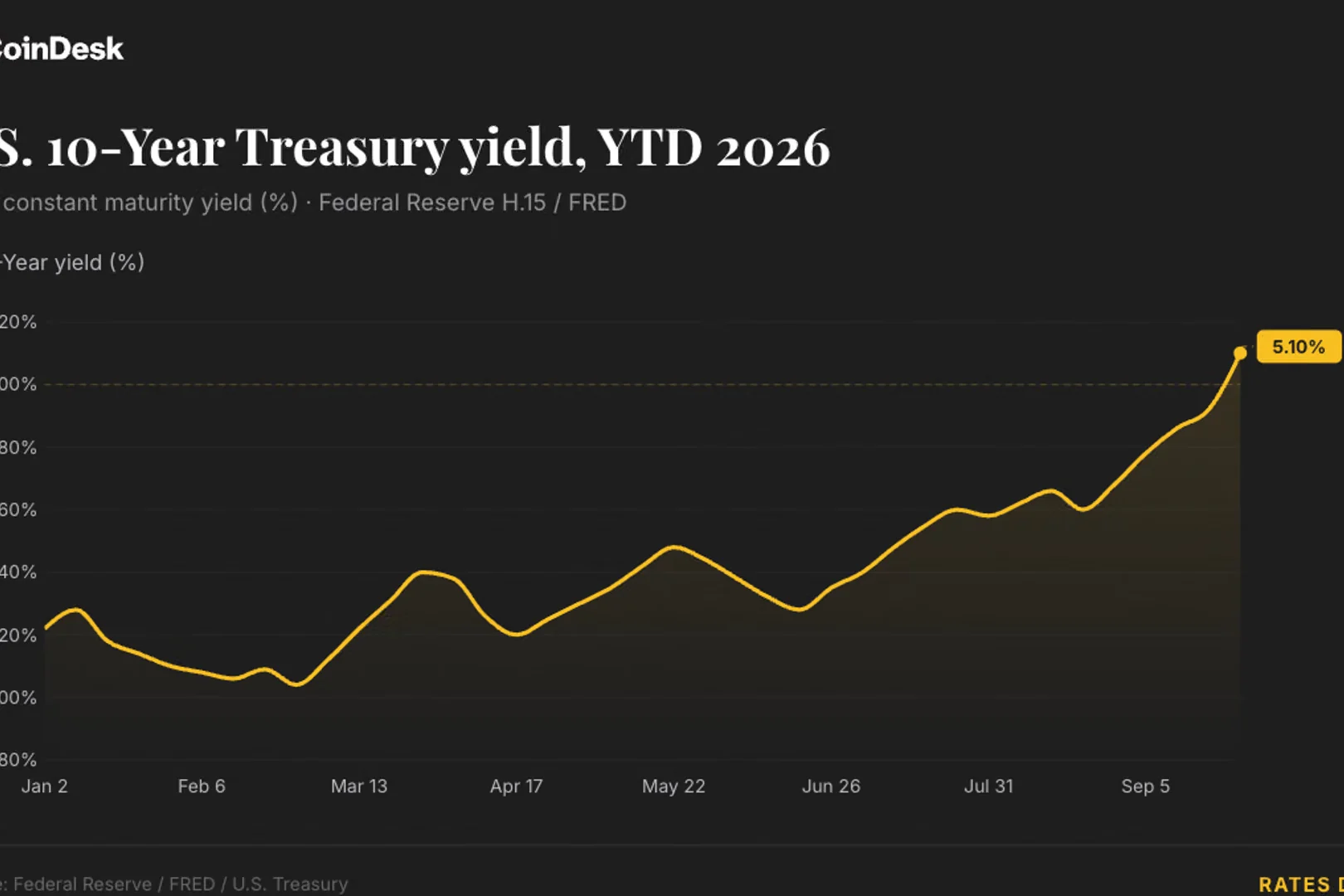
The dollar index pushed past 101 and approached 101.80 during the week, its highest level in eight weeks, as traders priced in as many as four Federal Reserve rate hikes by June 2027. Fed officials, including New York Fed President John Williams, flagged persistent supply shocks as a factor keeping inflation pressure alive. The repricing rippled across asset classes: gold fell 1.7% and silver dropped 3.6% in a single session, bitcoin slid below $83,000, and emerging-market currencies came under pressure.
For industrial buyers, the currency move cuts two ways. A stronger dollar makes imported components — bearings, sensors, hydraulic valves, precision machined parts — cheaper in dollar terms, which offers some relief against tariff costs. But it raises the cost of exported finished goods for U.S. manufacturers competing in Europe and Asia, and it increases the dollar-denominated burden of commodities priced in other currencies. The Indian rupee fell to a one-week low on oil-driven inflation concerns, while the yuan strengthened past 6.7 against the dollar, prompting the People’s Bank of China to set its daily reference rate at 6.7489.
The rate-hike expectations also raise the hurdle for capital investment. Equipment financing, factory expansions, and inventory carrying costs all become more expensive when the cost of capital rises. That tension — between a trade environment that is marginally more predictable and a monetary environment that is tightening — is likely to define industrial capital planning through the first half of 2027.
Freight Rates Set to Climb Into October as Golden Week Disrupts Capacity

Container freight markets are sending mixed signals. The Drewry World Container Index edged down 1% for the week, with falling Asia-Europe rates outweighing firmer Transpacific pricing. But Xeneta expects rates to climb in early October as carriers blank sailings around China’s Golden Week holiday and Suez Canal traffic continues its gradual return. China-to-U.S. East Coast rates have already topped $10,000 for the first time since 2022, and some analysts suggest Asia-U.S. rates could approach pandemic-era peaks if capacity tightens further.
The underlying tension is between returning capacity and resilient demand. Suez transits are recovering, which should add effective vessel supply on Asia-Europe routes. But the Red Sea security situation remains unresolved: Houthi forces launched ballistic missiles and drones at Riyadh and Saudi Aramco facilities in Yanbu during the week, and Saudi Arabia’s foreign minister warned at the UN General Assembly that the threat to Red Sea shipping routes has gone global. Any renewed disruption to Suez transits would quickly reverse the rate softening.
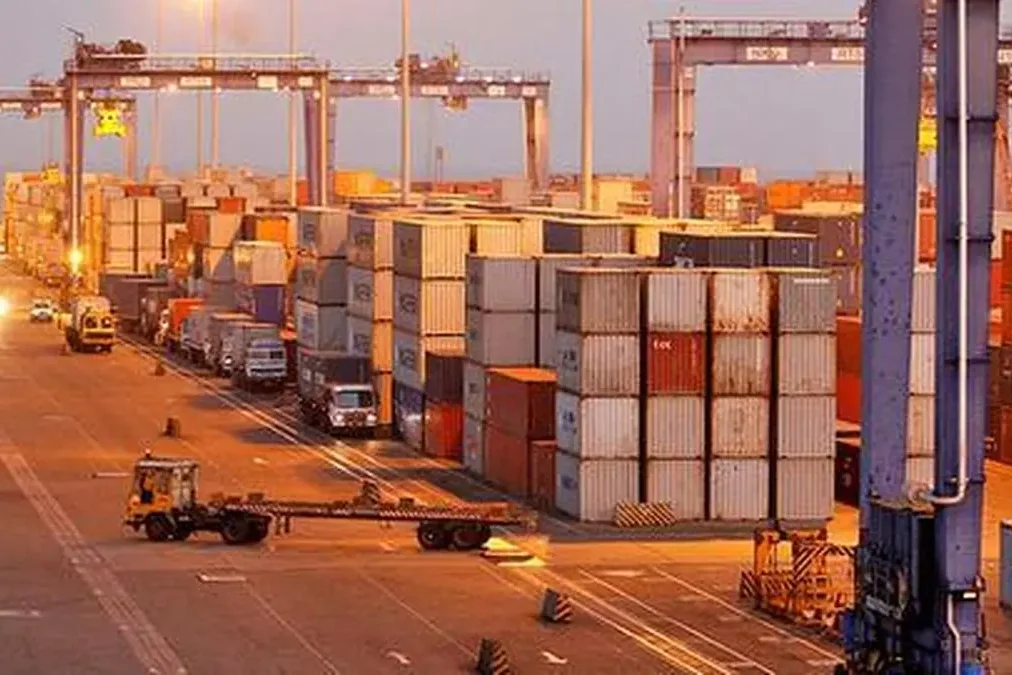
Elsewhere, port congestion is creating localized bottlenecks. Santos port in Brazil is splitting soybean and coffee flows into two separate bottlenecks, Ivory Coast congestion is contributing to a 15-year high in Japanese rubber futures, and Ghanaian traders and port operators are pushing for smoother cargo flow. India’s port volumes rose 7% year-over-year in August, supported by transshipment activity, even as freight rates surged 132%. For component buyers, the practical implication is that lead times on ocean-freighted parts remain volatile, and buffer inventory strategies still make sense on long-lead items.
Rare Earth Prices Outside China Keep Climbing as Supply Diversification Accelerates
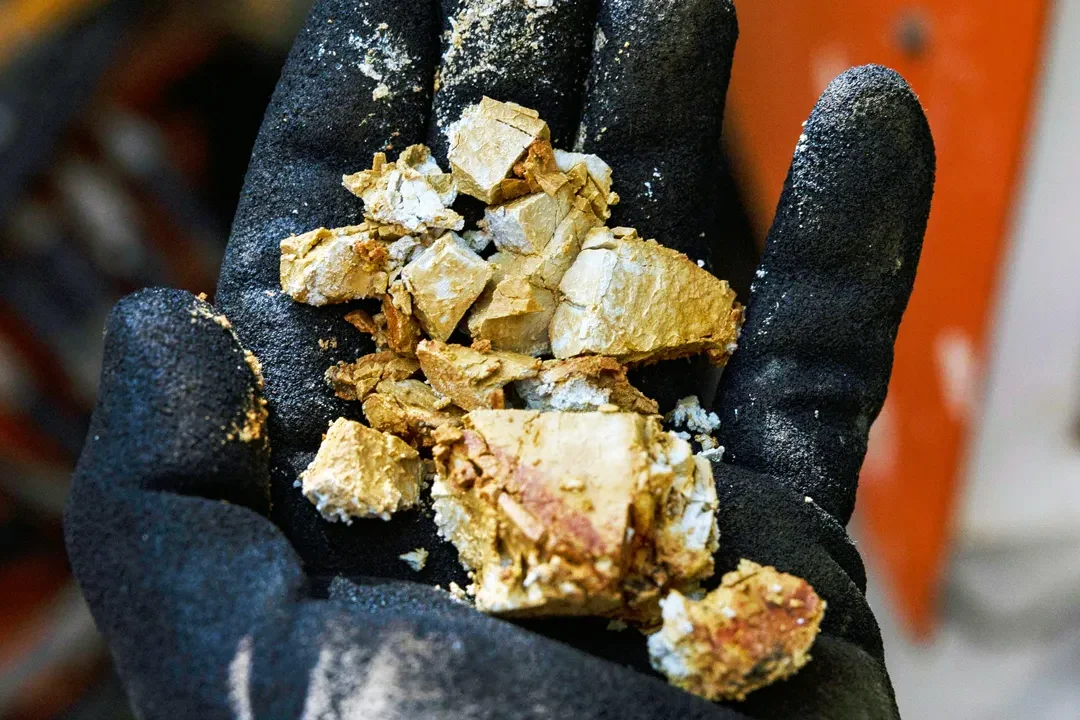
Benchmark Mineral Intelligence’s Q3 2026 review confirmed that heavy rare earth prices outside China continued to surge, extending a trend that has been building through the year. The price pressure reflects both Chinese export controls and the slow pace of building alternative processing capacity. Several developments this week illustrate how the diversification effort is progressing — and how far it still has to go.
In Australia, Gina Rinehart’s Hancock Prospecting took a $680 million loss on its rare earths investments, a reminder that building a non-Chinese supply chain is capital-intensive and not guaranteed to succeed. In Malawi, Lindian Resources said its rare earths mine will enter production this year. In the United States, quantum computing firm Pasqal announced a partnership with USA Rare Earth and Riven Systems to improve processing efficiency — an early-stage but potentially significant application of advanced computing to a materials problem. And in Canada, Neo Performance Materials’ stock has doubled in 2026 on the strength of its rare earth processing position.
For manufacturers of motors, sensors, and precision components, the message is that rare earth input costs are likely to stay elevated and volatile. Design engineers working on new platforms may want to factor in substitution scenarios — ferrite magnets, rare-earth-free motor designs, or reduced rare earth content — as a hedge against both price and availability risk. The Trump-Xi truce did not resolve the underlying rare earth question, and China’s leverage over the supply chain remains intact.
Automation Investment Accelerates: SoftBank, Amazon, and the Autonomous Jobsite
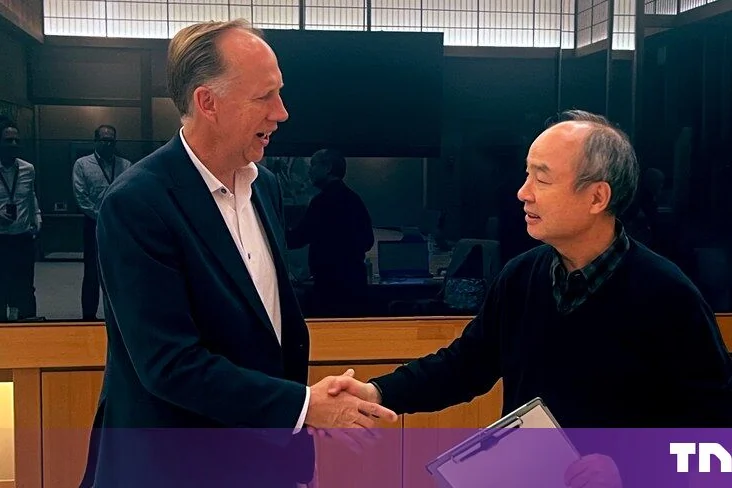
SoftBank invested $225 million in Autonomous Solutions Inc. (ASI), a Utah company that develops self-driving systems for work vehicles, and formed a joint venture to build autonomous machines for road, rail, and airport construction. The investment is one of the largest single bets on autonomous heavy equipment to date and signals that the technology is moving from pilot projects toward commercial deployment in infrastructure work.
Amazon committed more than $100 million to a robotics manufacturing facility in Indiana, part of a broader wave of facility investments that also includes U.S. Steel and Pirelli. The Amazon plant will manufacture the robotic systems that the company deploys in its fulfillment network — a vertical integration play that could eventually influence the broader robotics supply chain, including the motors, sensors, and motion components that go into warehouse automation.
On the additive manufacturing side, BMW is pushing to introduce more additive manufacturing in its plants, and Instruct3D launched an Additive Build Intelligence platform for metal AM. Both developments point to a maturing ecosystem where AM is moving from prototyping into production roles, particularly for complex or low-volume parts. For component distributors, the long-term implication is that some traditionally machined or cast parts may migrate to printed production, changing the aftermarket landscape for those items.
In a smaller but symbolically important development, Egypt unveiled its first locally developed industrial robot, with roughly 80% of components produced domestically. It is an early step, but it reflects a broader trend of emerging industrial regions building domestic automation capability rather than relying entirely on imports.
Reshoring and Regionalization Reshape Manufacturing Footprints
The reshoring theme continued to gain momentum across multiple regions. In the United States, Vice President JD Vance’s reshoring message is finding traction in small industrial towns, and a semiconductor plant construction market forecast projects expansion through 2035 on the back of reshoring incentives and roughly $500 billion in government support. In Vietnam, Ryder Industries expanded its manufacturing operations, while Nikkei Asia highlighted Southeast Asia’s growing role in regional manufacturing. In Mexico, the nearshoring shift continues to drive industrial real estate investment, though analysts note that the challenge is shifting from nearshoring to broader regionalization — building complete supply ecosystems, not just assembly operations.
India remains a focal point. Suzuki outlined a 10-year plan targeting 4 million units of annual production in India by FY30, with a focus on biogas and hybrid technology. Decathlon is investing €100 million in its Indian manufacturing ecosystem. The Make in India program marked its 12th anniversary, and multiple outlets highlighted the talent gap that must be closed for the country’s manufacturing ambitions to be realized. Waaree Group entered the specialty gases market with a planned Gujarat plant to supply ultra-high-purity gases for semiconductor and solar cell production.
In Europe, InfraTech Cables selected Poland for an advanced optical fiber cable manufacturing and R&D campus, aimed at serving AI data center, broadband, and telecommunications infrastructure demand. The LEGO Group announced the next phase of growth for its Monterrey, Mexico manufacturing site. And in Africa, Nigeria and the United States signed a mining investment agreement valued at an estimated $700 billion, covering lithium, gold, tin, gemstones, iron ore, and phosphate — a deal that could eventually feed raw material supply chains for batteries, electronics, and industrial components.
Energy and Grid Investment Surges on AI Demand
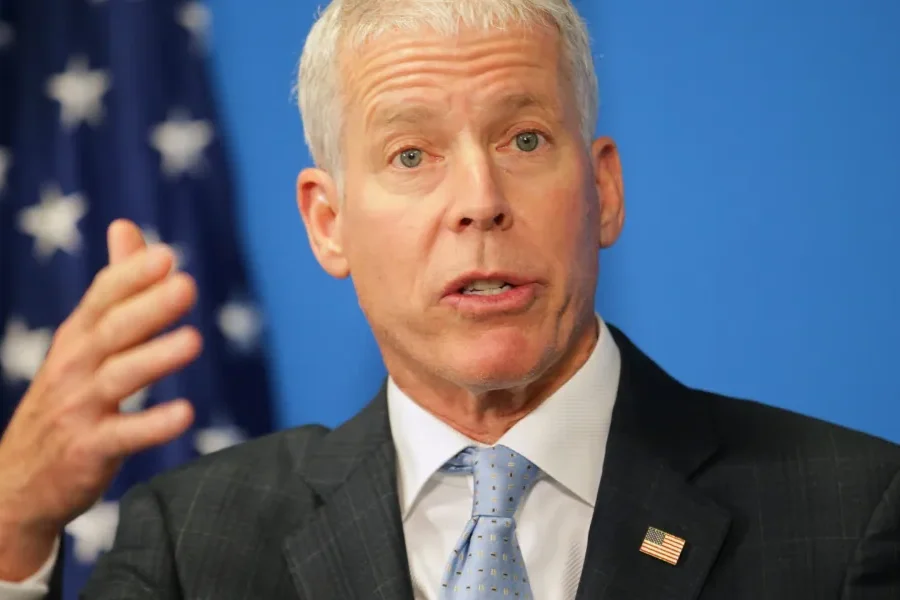
Goldman Sachs projected that Big Tech AI infrastructure spending will reach $1.2 trillion in 2027, a 50% increase, while broader estimates suggest total AI infrastructure spending could reach $10 trillion — about 3.6% of global GDP. The scale of this investment is reshaping energy demand. U.S. Energy Secretary Chris Wright said the country must expand electricity generation and transmission capacity to meet rising demand from AI data centers and electrification. The Department of Energy announced nearly $2 billion in grid upgrades across 26 states, aimed at squeezing more capacity from existing power lines. Ohio received a $273 million federal grant for grid infrastructure updates.
In Europe, the data center buildout is triggering protests, with operators countering that the facilities boost digital sovereignty and energy independence. The tension between AI-driven electricity demand and local opposition is likely to shape permitting timelines and project costs across the continent.
For industrial suppliers, the grid investment cycle is a multi-year demand driver for transformers, switchgear, power electronics, sensors, and the motion components that go into generation and transmission equipment. Tantalus Systems, a smart grid technology company, was added to the Nasdaq OMX Clean Edge Smart Grid Infrastructure Index and the First Trust Smart Grid Infrastructure ETF (GRID), reflecting investor interest in the sector.
Right to Repair and Safety Rules Advance on Multiple Fronts
The right-to-repair movement gained visibility this week with a global meeting held at Automechanika Frankfurt and a U.S. congressional roundtable hosted by Representative Derrick Van Orden in Holmen, Wisconsin. The push for mandated access to repair information, parts, and tools has been building for years, and its expansion into the automotive aftermarket has implications for industrial equipment as well. If repair-access rules extend to heavy equipment, agricultural machinery, and industrial automation systems, manufacturers and distributors would need to adjust how they manage proprietary diagnostics, software locks, and parts distribution.
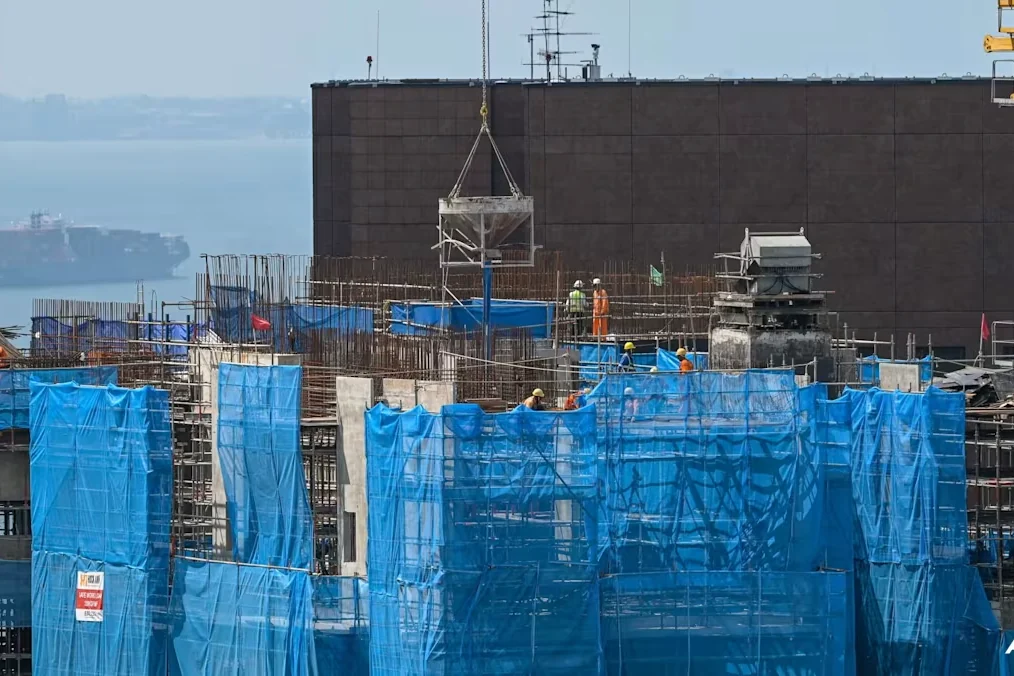
In Singapore, the government announced that scaffold netting on buildings must be fire-retardant from March 2027, following a review of the Wang Fuk Court fire investigation in Hong Kong. The rule affects construction site safety equipment and could influence material specifications for similar products in other markets. In Louisiana, a vibration study near a barge cleaning facility found no readings above industrial standards — a reminder that industrial siting disputes increasingly hinge on measured data rather than perception.
Back Market, a refurbished electronics marketplace, called for a legally mandated 10-year device standard, launching a platform to expose the hidden extraction costs of smartphone production. While the campaign targets consumer electronics, the underlying principle — extended product lifecycles and reduced material extraction — is directly relevant to industrial equipment, where total cost of ownership and remanufacturing are already established practices.
What to Watch

The week ahead will be shaped by three questions. First, will the U.S.-China tariff relief details clarify quickly enough to affect Q4 ordering decisions, or will businesses continue to plan around uncertainty? Second, will the dollar’s strength persist, and how will that interact with commodity prices and equipment financing costs? Third, will Golden Week blank sailings push freight rates high enough to change inventory strategies heading into the holiday season?
On the structural side, the rare earth supply situation, the AI-driven energy investment cycle, and the automation buildout are all multi-year trends that will continue to reshape industrial demand regardless of short-term policy swings. For component buyers and engineers, the practical takeaway is to build flexibility into supply plans — dual sourcing where possible, designing for material substitution where feasible, and maintaining visibility into the policy and currency factors that affect landed costs.
Sources
- Spokane Spokesman-Review – Trump and Xi buy time on trade with neither able to afford a fight
- Devdiscourse – US-China Tariff Deal Opens a $30 Billion Trade Window
- PRNewswire – ITC's Final Affirmative Injury Vote Sets Up Relief from Trailers
- WSJ – Dollar Jumps to 8-Week High on Fed Rate-Hike Bets
- CoinDesk – Traders price in 4 Fed rate hikes by June 2027
- VT Markets – Fed's Williams Flags Persistent Supply Shocks as Dollar Index Slips
- gCaptain – Container Rates Edge Lower Ahead of Golden Week as Suez Traffic Returns
- safety4sea – Xeneta: Container freight rates set to climb in early October
- WWD – China-to-US East Coast Freight Tops $10,000 for First Time Since 2022
- Benchmark Mineral Intelligence – Ex-China heavy rare earths continue to surge: Q3 2026 Rare Earths Price Review
- AFR – Gina Rinehart's Hancock Prospecting takes $680m loss on rare earths
- Bloomberg – Malawi Rare Earths Mine in Production This Year, Lindian Says
- The Next Web – SoftBank invests $225M in ASI and forms autonomous construction venture
- Chain Store Age – Amazon to invest more than $100M in robotics manufacturing facility
- Fortune – The Energy Department to spend nearly $2 billion to squeeze more power from the aging U.S. grid
- PYMNTS.com – Goldman Sachs Projects Big Tech AI Infrastructure Spending to Hit $1.2 Trillion in 2027
- aftermarketnews.com – Global Right to Repair Meeting Held at Automechanika Frankfurt
- CNA – Scaffold netting outside buildings must be fire-retardant from March 2027