
Autonomous Equipment Moves From Pilot Projects to Funded Reality
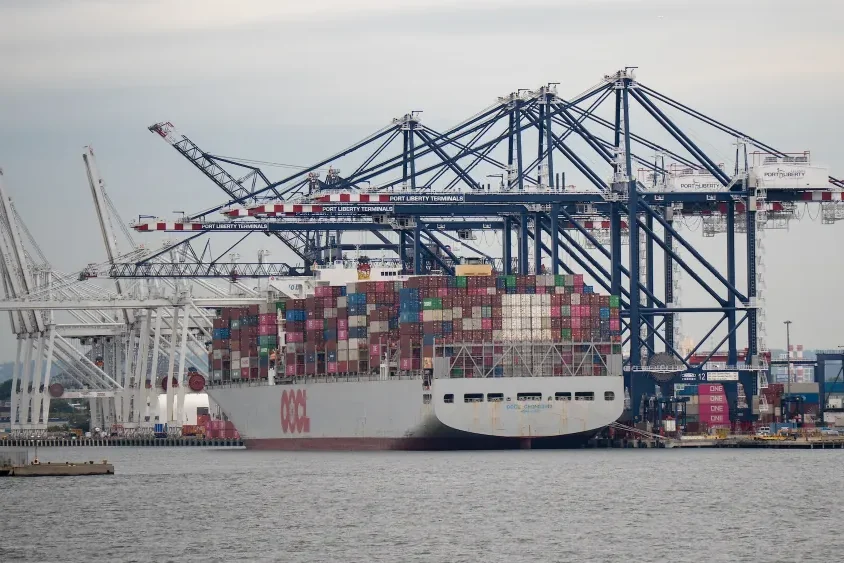
Executive summary. Autonomous heavy equipment moved from pilot project to funded reality this week: Gravis Robotics closed a $200 million Series A led by SoftBank — the largest such round in construction equipment history — while Bedrock Robotics, founded by Waymo veterans, said its self-operating excavators are already working across three sites in Texas and Nevada. In freight, Maersk’s chief executive described port congestion as a “structural part” of global supply chains, and Asia–US East Coast container rates hit a 2026 peak. BHP posted a 30% profit jump on record copper prices, right-to-repair advocates scored major wins for US farmers, and Washington expanded Section 232 tariffs to drones and polysilicon as the USMCA review intensified. A softer dollar and mixed Asian output data completed the picture.
The $1 Trillion AI Infrastructure Wave Reaches Deeper into Industrial Supply Chains

Executive summary: This week’s industrial intelligence points to a bifurcated global market. On one hand, AI data-center buildout continues to drive unprecedented demand for power generation, grid components, and heavy equipment, with cumulative infrastructure spending surpassing $1 trillion. On the other, traditional industrial end-markets show strain: China’s steel prices hit a near-decade low, Brazil’s industrial output contracted sharply, and the US dollar’s slide is resetting competitiveness dynamics. Trade policy remains a dominant variable, with new Section 232 tariffs on polysilicon, a third round of Section 301 tariffs, and the looming 2026 USMCA review forcing supply chain recalibration. Meanwhile, right-to-repair legislation is gaining ground in the US agricultural sector, and rare earths supply chains are seeing strategic realignments from Australia to Kazakhstan. For component buyers and manufacturers, the takeaway is clear: resilience now depends on navigating both the AI-driven demand surge and the fragmented trade landscape.
Red Sea Security Crisis and Container Rate Swings Test Supply Chains

Geopolitical and policy shifts are jolting industrial supply networks this week. Saudi Arabia is building an international naval coalition to safeguard Red Sea transit just as container rates slide for a third week and carriers prepare August rate hikes. On the regulatory front, landmark right‑to‑repair settlements and new EU rules promise to remake equipment aftermarkets, while trade policy uncertainty sharpens with the lapsing US‑Mexico‑Canada Agreement and fresh Section 301 tariffs hitting 60 trading partners. Materials markets are equally turbulent: rare‑earth supply chains are diversifying, copper prices are spiking on Chilean mine disruptions, and steel remains mired at 15‑year lows. Simultaneously, AI infrastructure spending is reaching historic highs, driving demand for power equipment and automation, while factory‑floor technology leaps forward with wireless connectivity and predictive maintenance. Global manufacturing readings are mixed — China’s factory output contracts unexpectedly, Japan edges higher, and near‑shoring gathers pace. Off‑highway and powersports demand stand out as bright spots, with recreational vehicle revenue soaring and e‑bike sales hitting new milestones. For component buyers, engineers and distributors, these converging forces will reshape lead times, cost structures, and sourcing strategies well into the second half of 2026.
Trade Policy Upheaval: Sweeping Section 301 Tariffs and Legal Challenges
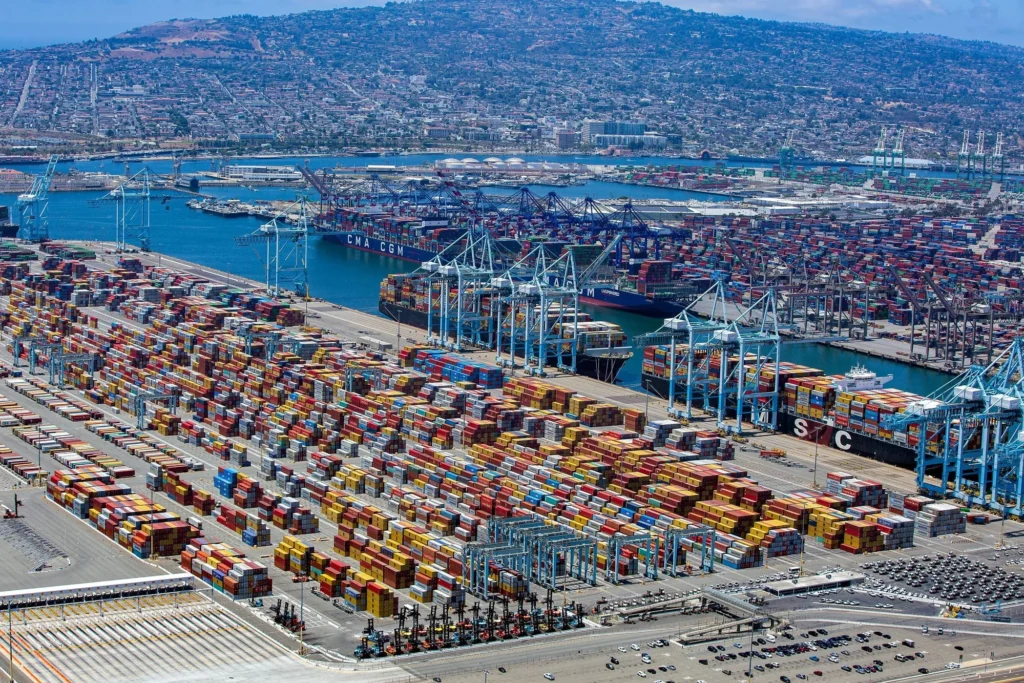
Executive Summary: A dramatic week across global industrial markets. The U.S. reinstated broad Section 301 tariffs on 60 trading partners, setting off a wave of legal challenges and leaving Mexico shielded under USMCA while Washington pushed for steel tariff alignment against China. In the Red Sea, Houthi missile attacks and subsequent U.S. strikes on Iran deepened […]
SYZ Weekly Industrial News – July 20, 2026

Executive Summary: This week the industrial components ecosystem finds itself at the intersection of three powerful forces: escalating Middle East tensions that threaten to choke key shipping lanes, a new round of U.S. tariffs reshaping global trade flows, and a landmark right-to-repair settlement that will recalibrate the aftermarket landscape. Meanwhile, flat U.S. factory output, a […]
SYZ Weekly Industrial News – July 13, 2026

This week’s industrial landscape is defined by deepening trade uncertainty as the United States declines to renew the USMCA in its current form, triggering a round of annual reviews that threaten investment across North American automotive and manufacturing supply chains. At the same time, ocean freight rates have surged to levels not seen since 2022, propelled by an early peak season, port congestion in China exacerbated by an approaching super typhoon, and ongoing Red Sea disruptions despite Maersk’s return to the Suez Canal. In a landmark regulatory shift, the FTC reached a settlement with John Deere that grants farmers and independent repair providers access to diagnostic tools and software—reshaping aftermarket dynamics. On the materials front, the Pentagon injected $25 million into domestic rare-earth processing while China reported a drop in first-half exports, signaling an escalating global competition for critical minerals. Energy infrastructure is under strain as AI data center investments surpass $50 billion, forcing utilities to double down on legacy generation. Manufacturing technology investment continues to coalesce around robotics, predictive maintenance, and additive manufacturing. Across regions, India’s manufacturing push gains momentum, even as industrial production data from Japan, Italy, and Uruguay send mixed signals about near-term demand.